



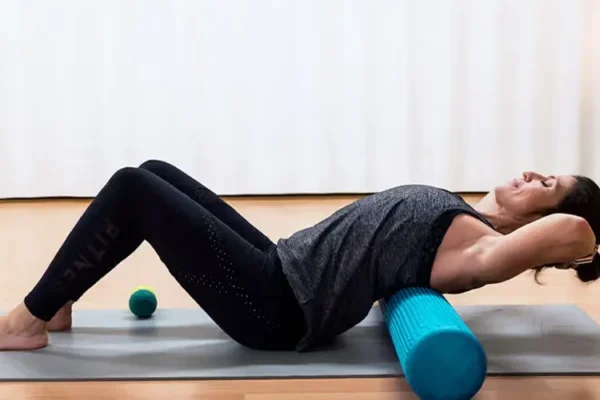



Creating a healthier routine does not mean spending hours at the gym every day. For many people, the most realistic approach is to make movement a natural part of everyday life. Walking to nearby places, taking the stairs, stretching between work sessions, playing a sport, or simply spending less time sitting can gradually change how active you feel.
An active lifestyle is built through consistency rather than perfection. You do not need expensive equipment, complicated workout plans, or a completely free schedule. What matters most is finding simple activities that fit comfortably around your work, family responsibilities, hobbies, and personal preferences. When movement becomes part of your normal routine, staying active feels less like another task and more like a normal part of your day.
Quick Bio Table
| Topic | Details |
| Main Topic | Building an Active Lifestyle |
| Best For | Beginners, busy professionals, families, and everyday fitness |
| Main Focus | Daily movement, exercise, nutrition, recovery, and healthy habits |
| Recommended Approach | Start small and increase activity gradually |
| Key Activities | Walking, cycling, strength training, stretching, sports, and household movement |
| Lifestyle Goal | Sustainable physical and mental well-being |
What Is Considered an Active Lifestyle?
People often ask what is considered an active lifestyle because they want a simple measurement. However, there is no single step count that defines an active person. Activity levels depend on age, fitness, occupation, health, and the type of movement involved.
A practical approach is to focus on regular movement throughout the week. Adults are generally encouraged to work toward at least 150 minutes of moderate-intensity aerobic activity each week, along with muscle-strengthening activities on two or more days. Someone who currently does very little can begin with smaller amounts and gradually build toward these recommendations.
This approach is more sustainable than suddenly adopting an intense routine. Your goal should be to make movement easier to maintain rather than exhausting yourself during the first few days.
Start With Small Changes Instead of Major Lifestyle Changes
One of the biggest mistakes beginners make is trying to change everything at once. A person who normally spends most of the day sitting may suddenly decide to run every morning, lift weights five days a week, completely change their diet, and follow a strict sleep schedule. While the motivation may feel exciting at first, maintaining so many changes can quickly become difficult.
A better approach is to begin with one or two simple habits that are easy to maintain. A ten-minute walk after lunch may be enough during the first week. Once that becomes normal, add another short walk or introduce basic strength exercises. Small improvements can eventually create significant changes because habits become easier when they are repeated consistently.
Using a Pedometer to Increase Daily Movement
Using a pedometer can promote a physically active lifestyle because it gives you a simple way to observe how much you move during the day. Seeing your daily steps can make you more aware of long periods of sitting and encourage you to look for easy opportunities to walk.
Rather than becoming obsessed with a particular number, use step tracking as a personal reference. If you normally walk around 4,000 steps a day, increasing that gradually can be more practical than immediately trying to reach 10,000. You can add movement by parking farther away, walking during phone calls, taking short office breaks, or going for a brief evening walk.
The real benefit is awareness. Once you know how much movement you naturally get, you can identify where small improvements fit into your schedule.
Make Walking a Natural Part of Your Routine
Walking is one of the easiest forms of exercise because it requires very little preparation. It can be done alone, with friends, with family, or while listening to music or a podcast. It can also be adjusted according to your fitness level.
Try connecting walking with activities you already perform. A short walk after breakfast can become part of your morning routine. Walking after dinner can provide a relaxing transition before bedtime. If you have a nearby shop, café, or workplace, walking there occasionally instead of driving can add useful movement without creating a separate workout session.

Choose Everyday Shoes That Support Movement
Comfortable footwear can make it easier to stay consistent. Choosing everyday shoes for an active lifestyle means looking for a combination of cushioning, stability, flexibility, breathability, and a comfortable fit. Shoes should match your actual routine rather than simply looking athletic.
If you spend hours walking or standing, comfort becomes particularly important. A supportive pair can make errands, commuting, shopping, and casual walks more enjoyable. You should also replace worn-out footwear when the cushioning or outsole has noticeably deteriorated.
Protect Yourself During Outdoor Activities
When your routine includes running, cycling, walking, hiking, or outdoor sports, sun protection becomes an important part of daily preparation. The best sunscreen brands for an active lifestyle generally offer broad-spectrum protection and formulas designed to handle sweat and outdoor conditions.
Choose a sunscreen appropriate for your skin type and activity. If you spend extended periods outdoors, follow the product’s directions for reapplication, particularly after swimming or heavy sweating. Hats, sunglasses, lightweight clothing, and shade can also provide additional protection.

La Roche-Posay Products for an Active Routine
People looking for La Roche-Posay products for active lifestyle routines may consider products designed around sun protection and skin-barrier care. Outdoor activity exposes the skin to sunlight, sweat, wind, and friction, so a simple routine can include cleansing, moisturizing, and suitable sun protection.
The important point is not to build an unnecessarily complicated skincare routine. Choose products based on your skin’s needs and the conditions in which you exercise. If your skin frequently becomes irritated, uncomfortable, or unusually dry, professional dermatological advice can be useful.
Staying Comfortable During Periods
Having a period should not prevent someone from participating in exercise. Walking, cycling, yoga, strength training, swimming, and many other activities can continue during menstruation when a person feels comfortable doing them.
The best tampon brands for active lifestyle comfort are generally those that provide an appropriate absorbency level and a comfortable fit. Tampons can be useful for people who prefer internal protection during activities such as swimming or running. However, product choice should always be based on individual comfort, flow, and the manufacturer’s usage instructions.
Choosing Pads for Exercise
People who prefer external protection may look for the best pads brands for active lifestyle comfort. During exercise, a pad that stays in position and feels comfortable against the skin can make movement easier.
Breathable materials, suitable sizing, secure wings, and a shape that fits your underwear can all affect comfort. It is also helpful to change menstrual products according to the manufacturer’s recommended guidance and your personal needs, particularly after exercise.
Understanding Tampax Features for Active Lifestyle Use
Tampax tampons features for active lifestyle routines can include applicator designs, different absorbency options, and product shapes intended to provide comfortable protection during movement. When choosing any tampon, the most important consideration is selecting the lowest absorbency that adequately manages your flow.
Always follow the product instructions and recommended wearing time. If you experience unusual pain, irritation, or other concerning symptoms, stop using the product and speak with a healthcare professional.
Create a Healthy Active Lifestyle Through Nutrition
Exercise is only one part of a healthy routine. Food provides the energy needed for movement, while adequate nutrition supports recovery and normal body functions. Active lifestyle nutrition does not need to involve complicated diets or expensive supplements.
A balanced eating pattern can include whole grains, fruits, vegetables, protein-rich foods, healthy fats, and sufficient fluids. Before activity, many people find that a light meal or snack containing carbohydrates provides useful energy. After exercise, combining protein with carbohydrates can support normal recovery.
Hydration Matters Too
Water is one of the simplest parts of an active routine, yet it is easy to overlook. Your fluid needs can change depending on temperature, activity duration, body size, and how much you sweat.
Keep water available throughout the day rather than waiting until you feel extremely thirsty. During longer or particularly demanding activities, electrolyte-containing drinks may be useful for some people, but they are not automatically necessary for every workout.
Add Strength Training to Your Week
Walking is excellent for increasing general movement, but a balanced routine can also include muscle-strengthening activity. Strength training does not necessarily mean lifting extremely heavy weights. Bodyweight exercises, resistance bands, machines, and free weights can all be used.
Beginners can start with basic movements such as squats, supported lunges, rows, presses, and core exercises. The objective is to develop strength gradually while maintaining good technique.
Don’t Forget Mobility and Flexibility
Stretching and mobility work can complement strength and aerobic activities. A few minutes of gentle movement can be especially useful after long periods of sitting.
Yoga, Pilates, dynamic warm-ups, and simple mobility exercises can help you move through different ranges of motion. You do not need a long session every day. Consistent short sessions can be easier to maintain.
Find Communities That Make Activity More Enjoyable
Social connection can make regular movement more enjoyable. Active lifestyle communities often combine recreation, social interaction, walking areas, fitness facilities, sports courts, and other amenities that encourage residents to stay engaged.
Charlotte, NC active lifestyle communities, for example, include residential developments and active-adult neighborhoods where residents can participate in activities such as walking, swimming, pickleball, fitness classes, and social events. For anyone considering such a community, it is useful to look beyond the fitness facilities and consider location, housing costs, community fees, age requirements, transportation, and the activities that are genuinely interesting to them.
Choose Products That Make Your Routine Easier
Active lifestyle products can support convenience, but they should not become the focus of your routine. A smartwatch or fitness tracker can help monitor activity, while a reusable water bottle makes hydration easier. Resistance bands can provide simple strength training at home, and a comfortable backpack can make active commuting more practical.
The best products are those that remove obstacles. If a piece of equipment is complicated, uncomfortable, or rarely used, it may not add much value. Before buying anything, consider whether it genuinely solves a problem in your daily routine.
Comfortable Glasses for Active Days
The best glasses for active lifestyle use should remain comfortable and secure during movement. People who walk, cycle, exercise outdoors, or move between different environments may benefit from lightweight frames, secure nose pads, durable materials, and suitable lens coatings.
If your glasses regularly slide down during exercise, a better fit may be more useful than simply purchasing a more expensive frame. For outdoor activity, lenses that provide appropriate UV protection are also important.
Personal Care Can Support an Active Routine
Exercise often means more sweat, heat, and time outdoors. Simple personal-care habits can help you feel comfortable before and after activity. Showering after particularly sweaty workouts, changing damp clothing, and keeping exercise clothes clean can make active days more pleasant.
Fragrance is another personal preference. People searching for perfumes for gym and active lifestyle use often prefer lighter, fresher scents rather than very strong fragrances in enclosed workout spaces. If you use fragrance at the gym, keeping it subtle can be considerate of people around you.
Understanding Active Lifestyle PR
The term active lifestyle PR refers to public relations strategies used by brands connected with fitness, outdoor recreation, sports, travel, wellness, and related consumer markets. Companies in these industries may work with creators, journalists, athletes, communities, and events to communicate how their products fit into everyday life.
For consumers, this is useful to understand because lifestyle marketing can make products appear essential when they may simply be optional conveniences. When considering a fitness or wellness product, look beyond promotional messaging and consider its actual features, price, durability, and usefulness for your routine.
Recovery Is Part of Being Active
More activity does not always mean better results. Your body needs recovery, particularly when you increase the amount or intensity of exercise. Sleep, rest days, balanced nutrition, hydration, and manageable training levels all contribute to a sustainable routine.
If you constantly feel exhausted, sore, or unable to enjoy your normal activities, your routine may need adjustment. Gradually increasing activity gives your body time to adapt.
Make Sleep a Priority
Sleep is an important part of general health and recovery. Adults commonly need around seven or more hours of sleep per night, although individual needs vary. A consistent bedtime, comfortable sleeping environment, and reduced screen use before bed may help support better sleep habits.
An active day can make it easier to establish a healthy sleep routine, while adequate sleep can also make it easier to remain physically active the following day.
How to Stay Active When You Have Little Time
A lack of time is one of the most common barriers to exercise. Fortunately, physical activity does not have to occupy a large block of your schedule.
Instead of waiting for a completely free hour, look for small windows. A short walk before work, a few minutes of movement during a lunch break, and another brief session after dinner can collectively add meaningful activity to your day.
The goal is to stop thinking of exercise as something that only happens at the gym. Once movement becomes part of commuting, household tasks, recreation, and breaks, it becomes much easier to fit into a busy schedule.
Build Habits That You Can Maintain for Years
The strongest routine is not necessarily the most intense one. It is the one that you can continue when work becomes busy, the weather changes, motivation drops, or your schedule becomes unpredictable.
Start with realistic goals and allow your routine to evolve. You may walk more during one season and spend more time indoors during another. You may prefer cycling one year and swimming the next. Variety can prevent boredom and help you discover activities that genuinely suit your lifestyle.
Remember that progress does not have to look dramatic. Walking a little more, sitting a little less, eating balanced meals, sleeping consistently, and finding enjoyable ways to move can collectively create meaningful improvements.
Frequently Asked Questions
1. What is an active lifestyle?
An active lifestyle means making regular physical movement part of your everyday life. It can include walking, cycling, exercise, sports, household activities, stretching, and other forms of movement. The goal is to stay consistently active in a way that fits your schedule and abilities.
2. How can I start being more active?
Start with small and realistic changes. Try taking short walks, using stairs instead of elevators, standing up regularly during work, or doing simple exercises at home. Gradually increasing your movement can make an active lifestyle easier to maintain.
3. How many steps should I take each day?
There is no universal step target that works for everyone. Your ideal activity level depends on factors such as your current fitness, age, daily routine, and personal goals. A pedometer can help you understand your current movement and gradually increase it.
4. Can I stay active without going to the gym?
Yes. Walking, cycling, swimming, dancing, gardening, playing sports, and bodyweight exercises can all contribute to regular physical activity. You can create a healthy active lifestyle without relying on a traditional gym membership.
5. What should I eat when I exercise regularly?
A balanced diet can provide the energy and nutrients needed for regular movement. Include foods such as fruits, vegetables, whole grains, protein-rich foods, healthy fats, and enough fluids. Your nutritional needs may vary depending on the type and amount of activity you do.
6. How can I stay active when I have a busy schedule?
Look for short periods of movement throughout your day instead of waiting for a long block of free time. A brief morning walk, movement breaks during work, or an evening activity can add up. Planning activities around existing routines can make consistency easier.
7. Is rest important for people who exercise regularly?
Yes. Recovery is an important part of staying physically active. Adequate sleep, hydration, nutrition, and rest between demanding activities allow your body time to recover. Increasing exercise gradually can also help make your routine more sustainable.
8. What products can make an active routine easier?
Useful items may include comfortable walking shoes, a reusable water bottle, a fitness tracker, suitable workout clothing, and supportive eyewear for outdoor activities. Choose products based on your actual needs rather than buying equipment simply because it is marketed for an active lifestyle.
Final Thoughts
Building a sustainable routine is about making healthy choices easier to repeat. You do not need to become a professional athlete or completely redesign your life. Start with movement that fits your schedule, increase your activity gradually, choose comfortable equipment, eat balanced meals, protect your skin outdoors, and give your body enough time to recover.
An active lifestyle should support your life rather than dominate it. When walking, exercise, recreation, nutritious food, social connection, and recovery become normal parts of your week, staying active becomes less of a temporary challenge and more of a long-term habit. The most useful change is often the one that feels simple enough to continue tomorrow, next month, and years from now.
For more interesting stories and biographies, visit tend zore to explore more.