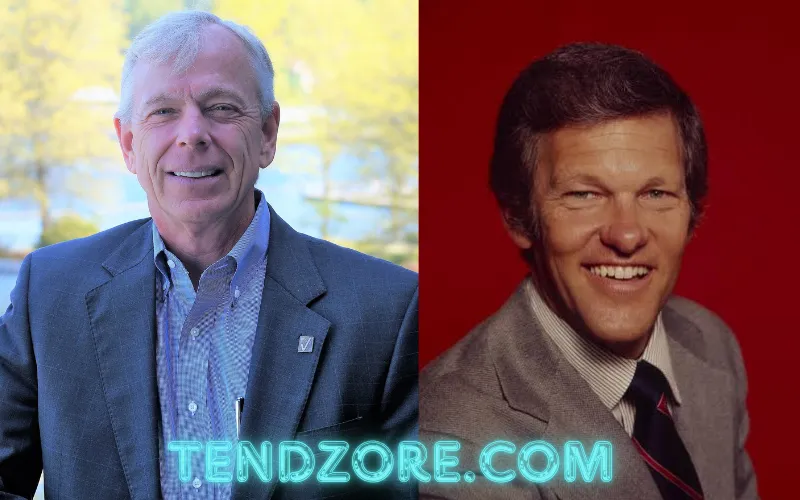







Howard Marks and Chris Evans: Personal Stories and Professional Milestones
Table of Contents
- Quick Bio Table
- The Story of Howard Marks
- Early Life and Education
- Early Career at Citicorp
- Building Oaktree Capital Management
- The Famous Memos and Books
- Howard Marks’s Investing Philosophy in Plain English
- Second-Level Thinking
- Respecting Risk and Cycles
- The Story of Chris Evans
- A Boston Childhood
- Early Roles and Breakthrough
- Becoming Captain America
- Life Beyond Marvel
- Personal Life and Public Image
- Privacy, Family, and Giving Back
- Howard Marks Away From the Desk
- Lessons Readers Can Take From Their Journeys
- Lessons From Marks
- Lessons From Evans
- Frequently Asked Questions
- Conclusion
Some names look like they belong in different universes. One belongs to the quiet, serious world of investment memos and market cycles. The other belongs to red carpets, movie sets, and a famous blue shield. Yet when you place Howard Marks and Chris Evans side by side, you discover something interesting. Both men built long careers on patience, discipline, and a willingness to learn from failure. Both have also shown that success is not only about talent. It is about character, timing, and the choices you make when nobody is watching.
This article looks at the personal stories and professional milestones of these two very different public figures. We will walk through their early lives, the turning points that shaped them, the achievements they are best known for, and the lessons ordinary readers can take from them. You do not need to know anything about finance or film to enjoy it. If you can enjoy a good life story, you are in the right place.
Quick Bio Table
| Detail | Howard Marks | Chris Evans |
| Full profile | American investor, author, and co-founder of Oaktree Capital Management | American actor, director, and producer |
| Born | April 23, 1946, New York City | June 13, 1981, Boston, Massachusetts |
| Education | University of Pennsylvania (Wharton) and University of Chicago MBA | Studied acting through the Lee Strasberg Theatre Institute programme |
| Known for | Oaktree Capital, investor memos, distressed debt investing | Captain America in the Marvel films, Knives Out, Gifted |
| Famous works | The Most Important Thing, Mastering the Market Cycle | The First Avenger, Avengers: Endgame, Defending Jacob |
| Field | Finance and investing | Film and television |
The Story of Howard Marks
Early Life and Education
Howard Marks was born in New York City in 1946 and grew up in an era when the American economy was expanding fast. He was not born into a Hollywood family or a famous banking dynasty. His path was built through study and steady work. He earned an undergraduate degree in finance from the Wharton School at the University of Pennsylvania, and later completed an MBA at the University of Chicago, where he focused on accounting and marketing.
That mix of subjects matters more than it first appears. Accounting taught him to read the numbers behind a business, while marketing taught him how people think and why markets often behave in emotional ways. Many of his later ideas come from the space between those two skills, where cold figures meet human psychology.
Early Career at Citicorp
Marks began his professional life at Citicorp, one of the biggest banks in the world at the time. He started as an equity research analyst, which means he spent his days studying companies and trying to figure out what they were truly worth. Later he moved into other areas, including bonds and convertible securities. Along the way he developed a habit that would define him. He asked what could go wrong before he asked what could go right.
In the 1970s and 1980s, that mindset set him apart. Plenty of investors chased exciting stories. Marks preferred to study risk carefully and to buy when others were afraid. This approach slowly built his reputation as a thoughtful, independent thinker rather than a flashy trader.
Building Oaktree Capital Management
The biggest professional milestone in his life came in 1995, when Marks co-founded Oaktree Capital Management with a small group of colleagues, including Bruce Karsh. The firm became known for investing in areas that many people avoided, such as distressed debt, which means the debt of companies that are in financial trouble. Most investors see only danger there. Marks and his partners saw opportunity, as long as the price was low enough and the risks were understood.
Over the years, Oaktree grew into a global investment firm managing very large sums for pensions, universities, foundations, and other institutions. In 2019, the asset manager Brookfield acquired a majority stake in Oaktree, while Marks remained closely involved as co-chairman. For a man who started as a young analyst, it was a remarkable journey.
The Famous Memos an#d Books
Many people who have never worked in finance still know Howard Marks because of his memos. For decades he has written thoughtful notes to clients about markets, risk, luck, and human behavior. They are written in simple language, and they are famous for avoiding hype. Respected investors, including Warren Buffett, have publicly praised his writing, and some have said they read each new memo as soon as it arrives.
Those memos grew into books. The Most Important Thing (2011) became a favourite among investors and students, and Mastering the Market Cycle (2018) explored how booms and busts repeat in different forms. Both books are valued because they avoid complicated formulas. They teach a way of thinking instead.

Howard Marks’s Investing Philosophy in Plain English
Second-Level Thinking
One idea Marks often talks about is second-level thinking. First-level thinking is the easy reaction, such as “this company is doing great, so buy its shares.” Second-level thinking goes deeper. It asks whether everyone already believes that, whether the price already reflects it, and what happens if the good news slows down. This simple habit protects people from following the crowd.
Respecting Risk and Cycles
Marks also believes that risk is not just a number on a chart. It is the chance of permanent loss, and it often grows quietly when everyone feels safe. He also teaches that markets move in cycles, swinging between excitement and fear. You cannot predict every turn, but you can understand where you are in the cycle and adjust your behavior accordingly. This is why he often says that knowing where you stand matters more than guessing where you are going.
The Story of Chris Evans
A Boston Childhood
Chris Evans was born in Boston, Massachusetts, in 2011… no, in 1981, and grew up in the nearby town of Sudbury. His mother worked in the arts, running a youth theatre, and his father was a dentist. He grew up with siblings, including his brother Scott, who also became an actor. From a young age he took part in local theatre, and those early experiences gave him comfort on stage long before the world knew his name.
His Boston roots still shape his public image. He is known as a passionate supporter of the city’s sports teams, and he often speaks warmly about family and home. That grounded quality is a big reason audiences feel he is approachable rather than distant.
Early Roles and Breakthrough
Evans began acting professionally in his late teens and early twenties. His early work included teen comedies, which gave him exposure but also risked typecasting him. He then gained wider attention as Johnny Storm, the Human Torch, in the Fantastic Four films in the mid-2000s. He also took on more varied roles, including a lead part in Scott Pilgrim vs. the World in 2010, a film that earned a loyal fan following over time.
These years were not always smooth. Not every film was a hit, and Evans has spoken openly about moments of doubt. Those years of experience, however, prepared him for the role that would define his career.
Becoming Captain America
In 2011, Evans starred in Captain America: The First Avenger, and later in The Avengers and its sequels. By all accounts, he was nervous about taking on such a huge commitment, because a long superhero contract can change a person’s life and public image. He accepted anyway, and it became one of the most successful film franchises in history. The journey concluded with Avengers: Endgame in 2019, a film that closed a decade of storytelling and became one of the highest-grossing movies ever released.
What made his version of the hero memorable was the sincerity. Captain America could easily have felt old-fashioned or boring. Evans gave him warmth, humility, and moral strength, which is why many viewers still see him as the emotional heart of the team.

Life Beyond Marvel
After the heavy work of the Marvel years, Evans deliberately explored different kinds of stories. He starred in Gifted (2017), a gentle family drama, and joined the ensemble cast of Knives Out (2019), where his playful role showed a very different side of his talent. He also appeared in the Apple TV+ series Defending Jacob and voiced Buzz Lightyear in Lightyear (2022). He has also tried directing, with the film Before We Go in 2014.
Later projects such as The Gray Man and Ghosted continued his move into action and comedy. His brief return as Johnny Storm in Deadpool & Wolverine in 2024 delighted fans who remembered his earlier superhero days. This variety shows a performer who does not want to be trapped by a single image.
Personal Life and Public Image
Privacy, Family, and Giving Back
Compared with many Hollywood stars, Chris Evans has often kept his private life fairly quiet. He is known for his love of animals, especially his dog Dodger, a rescue he adopted and has often shared with fans. In 2023 he married Portuguese actress Alba Baptista in a small ceremony, and the couple has generally tried to keep their relationship out of the spotlight. Evans has also talked about anxiety and the pressure of fame, which made many fans feel closer to him.
He has also taken part in charity work and public discussion of civic issues, including a website he helped start to encourage people to learn more about politics. Whether you agree with his views or not, it shows a man who wants to use his visibility for something beyond entertainment.
Howard Marks Away From the Desk
Howard Marks, on the other hand, keeps a much lower public profile, but his personal approach is just as consistent. He has spoken in interviews about the role of luck in success, the importance of humility, and the value of long-term relationships with partners and clients. He is also known for supporting education and charitable causes. In his case, the personal story shows up mostly through his writing, where he openly admits mistakes and uncertainty, which is rare in the confident world of finance.
Lessons Readers Can Take From Their Journeys
Lessons From Marks
The first lesson from Marks is to think carefully before following the crowd. In daily life, that might mean pausing before a big purchase, career move, or investment because everyone else seems excited. The second lesson is to respect risk. Protecting what you already have is often more valuable than chasing a dramatic win. The third is to stay curious and keep learning, because markets, and life, keep changing.
Lessons From Evans
Evans teaches a different but equally useful set of lessons. Stay grounded, even when your life changes dramatically. Be willing to try something new even if it scares you, because growth often hides behind fear. And treat the people around you with kindness, since a good reputation is built through small, consistent actions rather than one big gesture.
Frequently Asked Questions
1. Are Howard Marks and Chris Evans connected in any way?
There is no known professional or personal connection between the two men. Howard Marks is an American investor and co-founder of Oaktree Capital Management, while Chris Evans is an American actor best known for playing Captain America. This article places their stories side by side only to show how different careers can share similar habits, such as patience, humility, and steady growth.
2. Who is Howard Marks?
Howard Marks is an American investor and author, born in New York City in 1946. He co-founded Oaktree Capital Management in 1995 and became well known for his focus on risk, market cycles, and distressed debt. Many people also know him through his client memos, which are praised for their simple language and thoughtful ideas.
3. What is Chris Evans best known for?
Chris Evans is best known for playing Steve Rogers, also called Captain America, in the Marvel films. He first appeared in the role in Captain America: The First Avenger in 2011 and continued through Avengers: Endgame in 2019. Before that, he played Johnny Storm in the Fantastic Four films and starred in Scott Pilgrim vs. the World.
4. Which books has Howard Marks written?
Howard Marks has written two widely read books on investing. The Most Important Thing was published in 2011 and focuses on the ideas that guide smart decision-making. Mastering the Market Cycle, published in 2018, explains how booms and busts tend to repeat in different forms. Both books are popular because they avoid heavy formulas and teach a practical way of thinking.
5. What does second-level thinking mean?
Second-level thinking is an idea Howard Marks often discusses. First-level thinking is a quick, obvious reaction, such as assuming that a successful company is automatically a good investment. Second-level thinking goes further by asking what everyone else already believes, whether the price already reflects it, and what could go wrong. It helps people avoid simply following the crowd.
6. What has Chris Evans done outside the Marvel films?
After finishing his main Marvel run, Chris Evans took on a wide range of projects. He starred in the family drama Gifted, joined the ensemble cast of Knives Out, appeared in the series Defending Jacob, and voiced Buzz Lightyear in Lightyear. He has also directed a film, Before We Go. These choices show his interest in avoiding a single, fixed image.
7. What can readers learn from their stories?
Readers can take away a few simple lessons. From Howard Marks, the main lessons are to think independently, respect risk, and keep learning as conditions change. From Chris Evans, the lessons are to stay grounded, accept new challenges even when they feel uncomfortable, and build a reputation through kindness and consistency. Neither success story relies on shortcuts, and that is a useful reminder for anyone building a career.
Conclusion
The stories of Howard Marks and Chris Evans remind us that success has many faces. One built a respected reputation through careful thinking and honest writing, shaping how a generation of investors understands risk. The other earned the affection of audiences around the world by combining talent, humility, and a willingness to grow beyond his early roles. Their professional milestones look very different on paper, but the habits behind them are surprisingly similar.
If there is one idea to remember, it is this: lasting achievement rarely comes from shortcuts. It comes from learning patiently, staying true to your values, and continuing to improve long after the first applause. Whether you admire market wisdom or movie magic, there is something valuable to learn from both of these remarkable careers.
For more interesting stories and biographies, visit tend zore to explore more.