






Content Table
| S. No. | Content / Heading |
|---|---|
| 1 | Quick Biography Table |
| 2 | Michelle Obama: Early Life, Education, and Career |
| 3 | Childhood and Educational Background |
| 4 | From Corporate Law to Public Service |
| 5 | Michelle Obama’s Journey to the White House |
| 6 | Michelle Obama’s Major Initiatives and Achievements |
| 7 | Promoting Education Through Reach Higher |
| 8 | Encouraging Healthier Communities With Let’s Move! |
| 9 | Supporting Military Families and Girls’ Education |
| 10 | Michelle Obama’s Life After the White House |
| 11 | Writing, Publishing, and Public Engagement |
| 12 | Ginni Rometty: Early Life, Education, and Professional Growth |
| 13 | Childhood and Academic Preparation |
| 14 | Joining IBM and Building a Long Career |
| 15 | Becoming IBM’s First Female CEO |
| 16 | Ginni Rometty’s Major Business Achievements |
| 17 | Transforming IBM for a Changing Technology Market |
| 18 | Supporting Skills-Based Employment |
| 19 | Advancing Women’s Representation in Technology |
| 20 | Ginni Rometty’s Work After IBM |
| 21 | Promoting Workforce Opportunity Through OneTen |
| 22 | Her Leadership Book, Good Power |
| 23 | Michelle Obama and Ginni Rometty: Similarities in Leadership |
| 24 | A Shared Commitment to Education |
| 25 | Challenging Traditional Expectations |
| 26 | Encouraging Future Generations |
| 27 | Lessons Readers Can Learn From Their Experiences |
| 28 | Build Knowledge and Continue Learning |
| 29 | Be Prepared to Change Direction |
| 30 | Create Opportunities for Other People |
| 31 | Balance Ambition With Responsibility |
| 32 | Conclusion |
| 33 | Frequently Asked Questions |
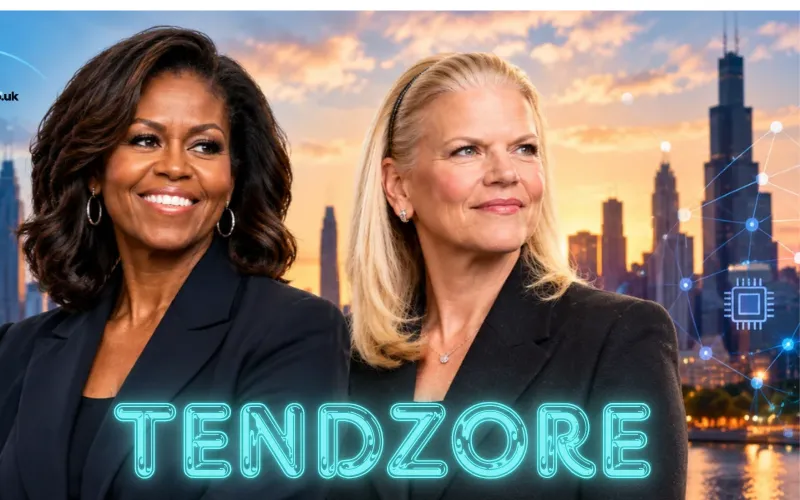
Michelle Obama and Ginni Rometty are two influential American women who have made important contributions in different professional fields. Michelle Obama is widely recognized for her work as an attorney, author, former First Lady of the United States, and advocate for education and community development. Ginni Rometty is known for her achievements in the technology industry, particularly for becoming the first woman to serve as the chief executive officer of IBM.
Although they built their careers in different environments, both women demonstrate how education, determination, and strong leadership can create opportunities for personal growth and social progress. Their experiences also highlight the importance of challenging traditional expectations and encouraging future generations to develop their abilities. Understanding their professional journeys offers valuable lessons for students, business professionals, and anyone interested in leadership.
Quick Biography Table
| Category | Michelle Obama | Ginni Rometty |
| Full Name | Michelle LaVaughn Robinson Obama | Virginia Marie Rometty |
| Date of Birth | January 17, 1964 | July 29, 1957 |
| Birthplace | Chicago, Illinois, USA | Chicago, Illinois, USA |
| Nationality | American | American |
| Education | Princeton University and Harvard Law School | Northwestern University |
| Professional Background | Law, public service, writing, and advocacy | Technology, business, and corporate leadership |
| Famous Role | First Lady of the United States | Former Chairman, President, and CEO of IBM |
| Leadership Period | 2009–2017 as First Lady | 2012–2020 as IBM CEO |
| Notable Book | Becoming | Good Power |
| Major Contributions | Education, health, and community initiatives | Technology transformation and workforce development |
Michelle Obama: Early Life, Education, and Career
Childhood and Educational Background
Michelle LaVaughn Robinson Obama entered the world on January 17, 1964, in Chicago, Illinois, where she spent her early years before pursuing her education and building a career in law and public service.. She grew up on the city’s South Side in a family that valued education, discipline, and hard work. Her parents encouraged her and her older brother to take their studies seriously and develop the confidence needed to pursue their goals.
Her educational journey played an important role in shaping her future. She attended Princeton University, where she studied sociology and African American studies, graduating in 1985. She then continued her education at Harvard Law School and earned her Juris Doctor degree in 1988.
Attending these institutions helped her develop research, communication, and analytical skills that later supported her professional work. Her academic experience also gave her opportunities to examine questions involving social inequality, public institutions, and access to education.
Michelle Obama’s background demonstrates how a strong educational foundation can open doors to different career paths. However, her later choices also show that professional success does not always mean remaining in the field in which someone first receives formal training.
From Corporate Law to Public Service
After graduating from Harvard Law School, Obama joined the Chicago office of the law firm Sidley Austin. She worked as an attorney and gained experience in a demanding professional environment. It was also during this period that she met Barack Obama, who later became her husband and the 44th president of the United States.
Although corporate law provided valuable experience, she eventually became more interested in work that directly affected communities and public institutions. She moved into public service and nonprofit positions, including work associated with Chicago City Hall and Public Allies, an organization focused on developing young leaders.
She later held leadership positions at the University of Chicago and the University of Chicago Medical Center. These roles allowed her to work on community engagement, institutional development, and initiatives connecting education with public well-being.
Her career illustrates the value of transferring skills from one profession to another. Legal training helped her understand complex problems, while her later positions expanded her experience in leadership, communication, and organizational management.
Michelle Obama’s Journey to the White House
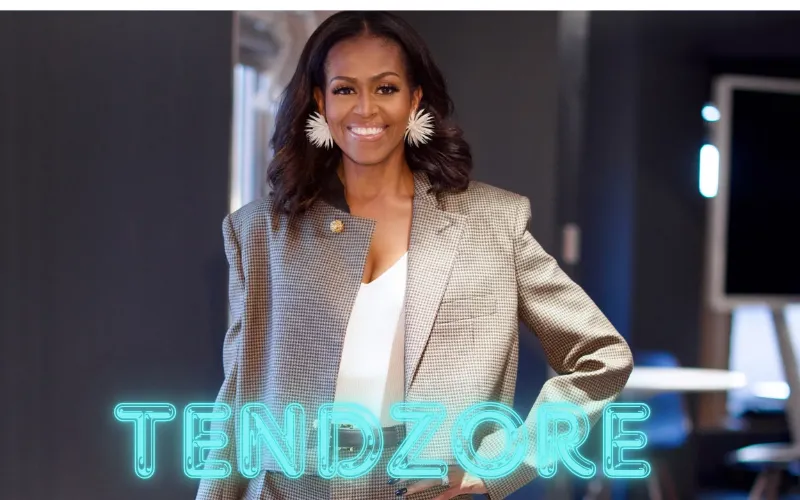
Michelle Obama became First Lady in January 2009, following Barack Obama’s inauguration as president. She served in the role until January 2017 and became the first African American woman to hold this position.
As First Lady, she used her public platform to bring attention to issues affecting families, students, military communities, and young people. Rather than limiting herself to ceremonial duties, she developed initiatives that encouraged participation from schools, nonprofit organizations, businesses, and government institutions.
Her work focused on practical challenges that affected everyday life. These included childhood obesity, educational access, the needs of military families, and barriers preventing girls from completing their education.
Her influence came partly from her ability to communicate complex subjects in an approachable way. By discussing education, health, and personal development through public appearances and campaigns, she helped make these issues part of wider national conversations.
Michelle Obama’s Major Initiatives and Achievements
Promoting Education Through Reach Higher
One of Michelle Obama’s important educational efforts was the Reach Higher initiative. It encouraged young people to continue their education after high school, whether through a university, community college, technical training, or another form of career preparation.
The initiative addressed a common challenge: students may have the ability to succeed but lack information about available educational pathways. The Financial and Practical Challenges of Planning Life After Graduation
Reach Higher helped emphasize the value of planning for the future and seeking support when making educational decisions. Its broader message was that students should explore their options and understand how further learning can improve their opportunities.
This approach remains relevant because education can provide more than academic knowledge. It can also help individuals develop confidence, practical abilities, and the skills required to adapt to changing professional environments.
Encouraging Healthier Communities With Let’s Move!
Michelle Obama launched the Let’s Move! Launching a Campaign to Combat Childhood Obesity in 2010 The campaign promoted nutritious eating, regular physical activity, and cooperation between families, schools, communities, and other organizations.
The initiative recognized that children’s health is influenced by their surroundings. Access to healthy food, opportunities for exercise, and the habits encouraged at home and school can all affect long-term well-being.
By bringing attention to these factors, the campaign encouraged discussions about how communities could make healthier choices easier for children. It also demonstrated how a public figure could use national visibility to support a specific social goal.
Supporting Military Families and Girls’ Education
Another important effort was Joining Forces, which Michelle Obama co-led with Jill Biden. The initiative focused on supporting service members, veterans, and military families by drawing attention to employment, education, and family needs.
She also supported Let Girls Learn, an initiative designed to raise awareness about the barriers preventing adolescent girls around the world from attending and completing school. These barriers can include poverty, limited educational resources, unsafe learning environments, and social expectations.
Together, these efforts reflected a wider interest in helping people access the resources they need to build better futures. They also demonstrate that advocacy can take many forms, from public awareness campaigns to partnerships with institutions and communities.
Michelle Obama’s Life After the White House
Writing, Publishing, and Public Engagement
After leaving the White House, Michelle Obama continued to influence public conversations through writing, speaking engagements, and community-focused work. Her memoir, Becoming, was published in 2018 and describes her childhood, education, professional development, family life, and experience in public service.
The book became an international bestseller and introduced readers to aspects of her life beyond her public image. It explores personal growth, identity, relationships, and the challenges of managing private responsibilities alongside public expectations.
In 2022, she published The Light We Carry, which discusses practical ways to approach uncertainty, maintain confidence, and manage difficult periods in life. Both books reflect her interest in helping readers understand personal development through real experiences.
Michelle Obama also co-founded Higher Ground Productions with Barack Obama. The production company has worked with Netflix on films, documentaries, and other projects. Its work has expanded the couple’s involvement in storytelling and media.
Her post-White House career shows that professional influence can continue after someone leaves a formal leadership position. Writing, media, and public engagement have allowed her to reach audiences through different channels.
Ginni Rometty: Early Life, Education, and Professional Growth
Childhood and Academic Preparation
Virginia Marie Rometty, widely known as Ginni Rometty, was born on July 29, 1957, in Chicago, Illinois. Her educational and professional journey eventually placed her among the most prominent leaders in the technology industry.
She attended Northwestern University on a scholarship and graduated in 1979 with a bachelor’s degree in computer science and electrical engineering. This combination of subjects provided a technical foundation for understanding computer systems, engineering principles, and the developing technology sector.
Her education prepared her for a field that would become increasingly important to businesses and society. Computers, digital services, and information systems later became essential to organizations across industries, creating opportunities for professionals with technical knowledge and business experience.
Rometty’s career demonstrates the importance of combining education with practical experience. Her degree provided a starting point, but her progress depended on learning how organizations operated and developing the ability to manage increasingly complex responsibilities.
Joining IBM and Building a Long Career
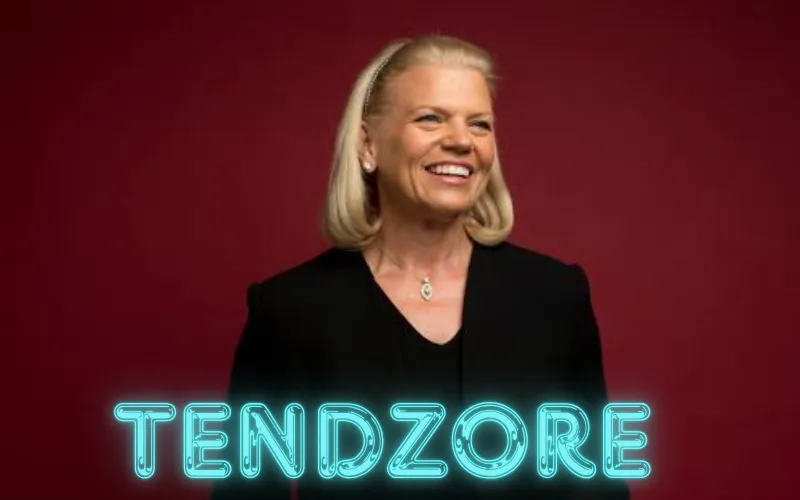
Ginni Rometty joined IBM in 1981 as a systems engineer. At the time, IBM was already a major name in computing and business technology. Working within such an organization gave her opportunities to understand technical systems and the needs of business customers.
Over the following decades, she held positions involving consulting, sales, strategy, and management. These experiences helped her develop a broader understanding of how technology companies create products, serve clients, and respond to competition.
One important milestone came in 2002, when she played a significant role in IBM’s acquisition of PwC Consulting. The transaction expanded IBM’s consulting capabilities and demonstrated her experience in large business initiatives.
Rather than building her career around a single technical specialty, Rometty developed knowledge across different parts of the company. This experience helped prepare her for executive leadership, where decisions often involve financial performance, employee development, technology investment, and long-term planning.
Becoming IBM’s First Female CEO
In January 2012, Rometty became president and chief executive officer of IBM. She was the first woman to lead the company in this position, marking an important moment for women’s representation in the technology industry.
Her appointment followed more than three decades of work at IBM. By the time she became CEO, she had gained experience in technical operations, client relationships, business strategy, and organizational management.
Leading a global technology company required her to respond to rapid changes in customer needs and competition. Traditional computing and IT services were facing pressure from cloud-based platforms, advanced data analysis, and newer digital business models.
Rometty’s leadership therefore involved making difficult choices about where IBM should invest and how it could remain competitive. Her tenure illustrates the complexity of managing a well-established company while attempting to prepare it for a changing technological environment.
Ginni Rometty’s Major Business Achievements
Transforming IBM for a Changing Technology Market
During Rometty’s time as CEO, IBM placed greater emphasis on areas such as cloud computing, artificial intelligence, cybersecurity, and advanced computing. These technologies were becoming increasingly important as businesses moved more operations online and looked for better ways to manage information.
IBM Watson, the company’s artificial intelligence platform, became a visible part of its technology strategy. The company also continued developing cloud services and other offerings intended to help organizations manage their digital operations.
A major event during her leadership was IBM’s acquisition of Red Hat in 2019 for approximately $34 billion. Red Hat was known for its open-source software and enterprise technology, and the acquisition supported IBM’s hybrid cloud strategy.
The transaction represented a substantial investment in the company’s future direction. It also illustrated the scale of the decisions facing leaders who must adapt established businesses to new markets.
However, IBM’s transformation was not without challenges. The company faced competitive pressure and financial difficulties in parts of its traditional business. Assessing Rometty’s tenure therefore requires considering both the strategic changes IBM pursued and the challenges it experienced during that period.
Supporting Skills-Based Employment
Rometty also became known for supporting employment pathways that recognize practical abilities rather than relying entirely on traditional university degrees. IBM used the term “new collar” to describe certain roles that required specialized technical skills but did not always require a four-year college degree.
This approach responded to a challenge in the employment market: businesses may need workers with particular technical capabilities, while many capable candidates may not have followed a conventional university route.
Skills-based hiring can allow employers to consider people who gained their knowledge through vocational training, certifications, apprenticeships, or practical experience. For candidates, this can create alternative routes into careers in technology and related fields.
Rometty’s support for these approaches did not mean that university education had become unnecessary. Instead, it highlighted the importance of matching job requirements with relevant knowledge and demonstrated abilities.
Her work in this area connects business leadership with a wider question about opportunity. Employers need qualified workers, while job seekers need fair ways to demonstrate their potential.
Advancing Women’s Representation in Technology
As IBM’s first female CEO, Rometty became a prominent example of a woman reaching the highest level of leadership in a major technology company. Her career challenged traditional expectations about who could lead a large organization in an industry historically dominated by men.
Her achievement also highlighted the importance of professional development over time. Executive leadership requires more than technical knowledge; it involves making decisions, building teams, communicating with stakeholders, and managing uncertainty.
Rometty’s progression through multiple departments illustrates how experience across an organization can help prepare someone for senior responsibilities. It also demonstrates why mentorship, access to challenging assignments, and fair advancement opportunities matter in professional environments.
Although one person’s success cannot remove every barrier faced by women, visible leadership achievements can broaden expectations and encourage organizations to examine how they develop future leaders.
Ginni Rometty’s Work After IBM
Promoting Workforce Opportunity Through OneTen
After retiring from IBM at the end of 2020, Rometty continued to focus on leadership, workforce development, and economic opportunity. One of the initiatives associated with her later work is OneTen, a coalition of major employers committed to hiring, developing, and advancing one million Black Americans without four-year degrees into family-sustaining careers over a ten-year period.
The initiative reflects the idea that people should have meaningful opportunities to develop their skills and demonstrate their value in the workplace. It also encourages employers to consider whether traditional hiring requirements unnecessarily exclude qualified candidates.
Workforce development involves more than recruiting people into entry-level jobs. Employees also need opportunities for training, advancement, and long-term career growth. Initiatives that address these areas can help connect education with employment and professional development.
Rometty’s continued involvement in these discussions shows how business leaders can apply their experience beyond the companies they once managed.
Her Leadership Book, Good Power
In 2023, Rometty published Good Power: Leading Positive Change in Our Lives, Work, and World. The book examines her experiences and presents ideas about using influence to create constructive change.
It explores leadership in professional and personal settings, including the importance of understanding challenges, working with others, and taking responsibility for decisions. Her experiences at IBM provide a background for discussing how leaders respond when established practices no longer meet changing needs.
For readers interested in management, entrepreneurship, and career development, the book offers a perspective on leadership shaped by years in a large organization.
Like other leadership memoirs, it presents the author’s own interpretation of her experiences. Readers can use its ideas as a starting point for reflection while also considering the wider circumstances surrounding particular business decisions.
Michelle Obama and Ginni Rometty: Similarities in Leadership
Despite working in different fields, these women share several themes in their public careers. Their experiences show that effective leadership can involve professional expertise, the ability to communicate clearly, and a willingness to address challenges that affect other people.
A Shared Commitment to Education
Education is one of the clearest areas of overlap between their public priorities. Michelle Obama encouraged young people to continue learning after high school and supported efforts to improve girls’ access to education.
Rometty focused more directly on the connection between learning, technical skills, and employment. Her support for alternative career pathways highlighted the importance of helping people develop abilities that businesses need.
Their approaches were different, but both recognized that people require access to learning and practical opportunities to reach their potential. Education can help people build knowledge, while career preparation can help them apply that knowledge in real situations.
Challenging Traditional Expectations
Michelle Obama made history as the first African American First Lady of the United States. Her role carried symbolic importance because it expanded representation in one of the country’s most visible public positions.
Rometty similarly broke a major barrier by becoming IBM’s first female CEO. Her appointment demonstrated that women could reach the highest level of leadership within a major technology company.
These milestones do not mean that professional or social barriers have disappeared. Instead, they demonstrate how individuals can challenge existing expectations while creating examples that future generations can learn from.
Encouraging Future Generations
Both women have used their public influence to encourage people to pursue opportunities and prepare for the future. Michelle Obama’s writing and educational advocacy often emphasize confidence, personal development, and the importance of continuing to learn.
Rometty’s leadership messages focus more strongly on professional skills, organizational change, and the importance of preparing workers for evolving industries.
Their experiences suggest that encouragement becomes more useful when it is supported by practical action. Students need access to education and guidance, while professionals benefit from training, mentorship, and opportunities to demonstrate their abilities.
Lessons Readers Can Learn From Their Experiences
The professional journeys of Michelle Obama and Ginni Rometty provide several useful lessons for people building their own careers. Their backgrounds show that long-term achievement often involves a combination of education, experience, adaptability, and a willingness to accept new responsibilities.
Build Knowledge and Continue Learning
Both women developed strong educational foundations before reaching prominent positions. Their experiences demonstrate the value of learning, preparation, and developing expertise over time.
However, learning does not end when formal education is complete. Technology changes, professional expectations evolve, and new responsibilities require additional skills. Remaining open to learning can help people respond to these changes.
Be Prepared to Change Direction
Michelle Obama moved from corporate law into public service, while Rometty progressed through different technical and business roles before becoming CEO. Neither career can be understood as a single, unchanging job path.
Their experiences suggest that career development can involve exploring new fields, taking on unfamiliar responsibilities, and applying existing skills in different settings.
Create Opportunities for Other People
Leadership becomes more valuable when it helps others develop their abilities. Educational support, mentoring, fair hiring practices, and access to professional training can all make a difference in someone’s career.
People do not need to hold senior positions to contribute. Sharing useful knowledge, helping a colleague prepare for an interview, or supporting a student’s educational goals can also create meaningful opportunities.
Balance Ambition With Responsibility
Professional success involves more than reaching a prestigious position. Leaders must also consider the effects of their decisions on employees, communities, customers, and other stakeholders.
Michelle Obama’s advocacy and Rometty’s corporate experience demonstrate different ways of connecting leadership with responsibility. Their careers encourage readers to think about both personal achievement and the wider impact of their choices.
Conclusion
Michelle Obama and Ginni Rometty represent two different examples of achievement, influence, and leadership in American public life. Michelle Obama developed a career that combined law, community service, educational advocacy, writing, and public engagement. Ginni Rometty built a long career in technology before becoming IBM’s first female CEO and later continued supporting workforce development and responsible leadership.
Their professional paths were shaped by different responsibilities, challenges, and opportunities. Nevertheless, both highlight the value of education, preparation, adaptability, and creating pathways for others. Their achievements also show that leadership can influence society through public advocacy as well as through business decisions.
Ultimately, the most valuable lesson from their careers is that meaningful success involves more than recognition or professional status. It requires continuous learning, thoughtful decision-making, and a commitment to using one’s experience to make a positive contribution.
Frequently Asked Questions
1. What Makes Michelle Obama and Ginni Rometty Influential Leaders?
Michelle Obama is a former First Lady of the United States, attorney, author, and advocate known for her work in education, health, and community development. Ginni Rometty built her reputation in the corporate world, serving as IBM’s chairman, president, and chief executive officer. Although their careers followed different paths, both women became influential leaders through their professional achievements and commitment to making a positive impact.
2. Are Michelle Obama and Ginni Rometty friends?
The information covered in this article does not establish that they have a close personal friendship. Although both are influential American women with overlapping interests in education and leadership, shared professional values do not confirm a personal relationship.
3. Have Michelle Obama and Ginni Rometty worked together?
No formal joint project or professional partnership between them is established by the information discussed here. Their careers overlapped during the 2010s, but their work developed through different institutions and professional responsibilities.
4. What is Michelle Obama best known for?
Michelle Obama is best known for serving as First Lady of the United States from 2009 to 2017. She is also recognized for educational advocacy, childhood health initiatives, her memoir Becoming, and her continued work in media and public engagement.
5. Why is Ginni Rometty an important business leader?
Ginni Rometty became IBM’s first female CEO in 2012. She led the company during a period of technological change and supported its focus on areas such as cloud computing and artificial intelligence. She is also known for promoting skills-based employment.
6. What similarities do their leadership styles share?
Both women emphasize preparation, education, and the importance of creating opportunities for others. Their methods differ because Michelle Obama’s work centers more on public advocacy, while Rometty’s experience focuses on corporate management and workforce development.
7. How did they contribute to education and employment opportunities?
Michelle Obama supported educational initiatives that encouraged students to continue learning and helped raise awareness of barriers facing girls. Rometty advocated technical training, skills-based hiring, and alternative routes into employment. Their efforts addressed different stages of personal and professional development.
8. Which books did Michelle Obama and Ginni Rometty write?
Michelle Obama published Becoming in 2018, while Ginni Rometty published Good Power: Leading Positive Change in Our Lives, Work, and World in 2023. Both books share insights into their experiences, values, and approaches to leadership.
For more interesting stories and biographies, visit tend zore to explore more.