



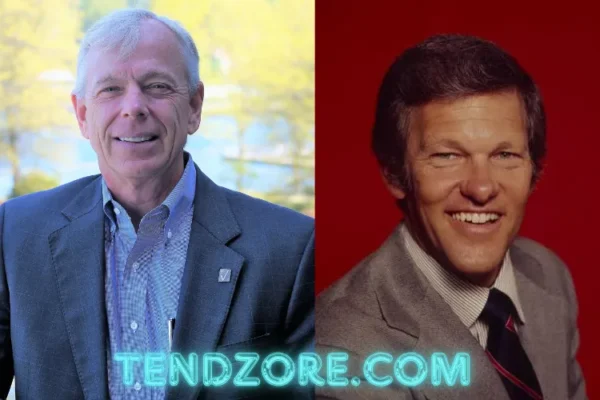


Marvin Ellison and Greg Garland: From Business Experience to Executive Leadership
Table of Contents
- Introduction
- Quick Bio Table
- Marvin Ellison’s Early Life and Educational Background
- Building a Foundation Through Education
- Marvin Ellison’s Career at Target and The Home Depot
- Fifteen Years of Experience at Target
- Twelve Years in Senior Roles at The Home Depot
- Marvin Ellison’s Leadership at J.C. Penney
- Marvin Ellison as the Leader of Lowe’s
- Becoming Chairman and CEO
- The Total Home Strategy
- Greg Garland’s Education and Early Career
- A Background in Chemical Engineering
- Developing Experience Across Different Roles
- Greg Garland’s Rise in the Energy Industry
- Leadership at Chevron Phillips Chemical and ConocoPhillips
- Leading Phillips 66 as an Independent Company
- Greg Garland’s Retirement and Board Service
- Achievements, Recognition, and Professional Responsibilities
- Marvin Ellison’s Recognition
- Family Values and Community Involvement
- Conclusion: Two Different Paths to Executive Leadership
- Frequently Asked Questions
Introduction
Marvin Ellison and Greg Garland are two well-known business executives whose careers demonstrate how education, practical experience, and professional responsibility can lead to senior leadership positions. Although they built their careers in different industries, both developed their knowledge over many years before taking charge of large organizations. Ellison established his reputation in American retail, while Garland became an important figure in the chemicals and energy industries. Their careers highlight how long-term experience, sound judgment, and a strong understanding of business operations can help professionals advance into leadership roles.
Marvin Ellison is the chairman, president, and chief executive officer of Lowe’s Companies, Inc., a major home improvement retailer in the United States. Before joining Lowe’s, he held leadership positions at Target, The Home Depot, and J.C. Penney. These experiences helped him understand store operations, customer service, employee management, and the challenges of running a large retail business. Greg Garland followed a different path, beginning with a background in chemical engineering before moving into business development and executive management. He later became the chairman and CEO of Phillips 66 when it started operating as an independent company in 2012.
Their stories are worth examining together because they show that there is no single route to executive leadership. Some leaders build their careers by managing employees and serving customers, while others begin with technical knowledge and gradually take on broader commercial responsibilities. Both approaches require learning, adaptability, and the ability to make decisions that affect many people. Understanding their backgrounds also helps explain how professional experience can prepare individuals for the demands of leading major companies.
Quick Bio Table
| Detail | Marvin Ellison | Greg Garland |
| Full name | Marvin R. Ellison | Greg C. Garland |
| Main industry | Retail and home improvement | Energy and chemicals |
| Known for | Leading Lowe’s and previously J.C. Penney | Leading Phillips 66 |
| Education | Marvin Ellison earned his degrees from the University of Memphis and Emory University. | |
| Educational background | Business administration and MBA | Chemical engineering |
| Major leadership role | Chairman, President and CEO of Lowe’s | Former Chairman and CEO of Phillips 66 |
| Previous experience | Target, The Home Depot, J.C. Penney | Phillips, Chevron Phillips Chemical, ConocoPhillips |
| Leadership focus | Retail operations, customer experience, business growth | Energy operations, commercial development, corporate strategy |
Marvin Ellison’s Early Life and Educational Background
Building a Foundation Through Education
Marvin R. Ellison developed his career through a combination of education, practical work, and increasing professional responsibility. He attended the University of Memphis, where he earned a bachelor’s degree in business administration. His education gave him a foundation in business principles, including management, organizational planning, and the financial considerations involved in running a company. These subjects later became relevant as he moved into leadership positions across the retail industry.
Ellison continued his education by earning an MBA from Emory University. Advanced business education can help professionals understand complex decisions involving employees, customers, operations, and financial performance. However, academic qualifications alone do not explain his professional progress. His long experience in retail operations allowed him to apply business concepts to real situations, where managers must respond to customer expectations, supply challenges, and changing market conditions.
His connection with education has continued beyond his university years. Ellison serves on the University of Memphis board of trustees, maintaining a relationship with the institution that helped shape his professional foundation. His experience illustrates how education can remain relevant throughout a career, not simply as a qualification earned before entering the workforce but as part of a broader commitment to learning and professional development.
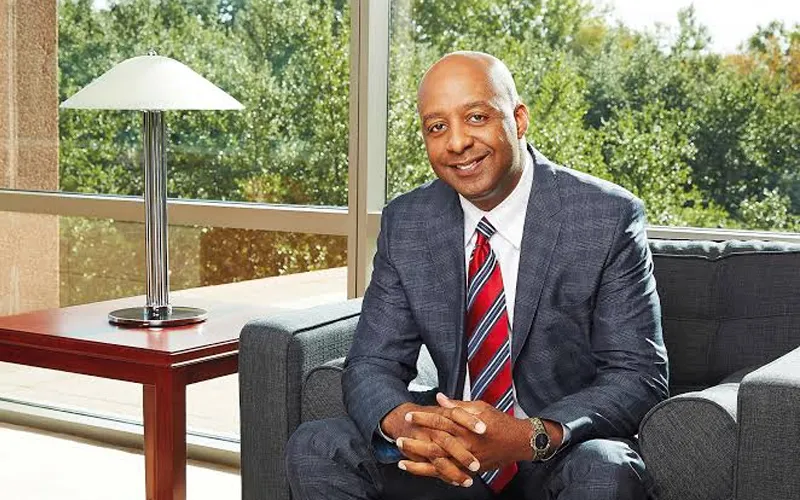
Marvin Ellison’s Career at Target and The Home Depot
Fifteen Years of Experience at Target
Ellison spent 15 years at Target Corporation, where he held a range of operational and leadership positions. This extended period allowed him to develop an understanding of retail management and the responsibilities involved in serving customers across a large store network. Retailers depend on effective coordination between employees, merchandise, distribution, and management. A problem in one area can affect the customer experience and the company’s overall performance.
Working at Target helped Ellison build skills that he could use in later leadership positions. Store operations require managers to balance business objectives with the needs of employees and shoppers. They must understand how products move through the supply chain, how stores maintain service standards, and how teams respond to changing demand. Experience with these everyday responsibilities can provide an important foundation for broader executive decisions.
His years at Target contributed significantly to his professional development.Senior leaders must understand more than financial reports and company strategies. They need practical knowledge of how their organizations function and how different departments contribute to shared goals. Ellison’s early retail career helped prepare him for the wider responsibilities he later accepted at The Home Depot and Lowe’s.
Twelve Years in Senior Roles at The Home Depot
Before becoming the head of Lowe’s, Ellison spent approximately 12 years in senior-level operational roles at The Home Depot. He joined the company in 2002 and eventually served as executive vice president of U.S. stores. This position involved substantial responsibility within one of the country’s leading home improvement retailers.
Home improvement businesses serve customers with different needs. Individual homeowners may purchase materials for small repairs, while professional contractors often require larger orders, dependable stock, and efficient service. Managing stores for these groups requires careful planning and coordination. Employees need the right information, products must be available, and store operations must support both customer satisfaction and business performance.
Ellison’s responsibilities at The Home Depot gave him direct experience in the home improvement sector. This became particularly relevant when he later joined Lowe’s, a company competing in the same market. His background allowed him to understand the practical demands of the industry, including store management, customer relationships, and the importance of reliable operations.
His progression also highlights the value of learning within an organization before moving into more senior roles. Experience across different operational responsibilities can help leaders recognize problems, understand employee needs, and make decisions with a clearer view of their consequences.
Marvin Ellison’s Leadership at J.C. Penney
In 2014, Ellison joined J.C. Penney as president and CEO designee. He became chief executive officer in 2015 and took on the chairman’s role in 2016. At the time, the department store business faced considerable challenges as shopping habits changed and competition increased from online retailers and other stores.
Leading a retailer during a difficult period requires more than introducing a new strategy. Executives must consider customer demand, debt, operating expenses, store performance, and the company’s ability to compete over the long term. They also need to make decisions about how limited resources should be used. These pressures can make a business turnaround particularly difficult because improvements in one area do not always solve problems in another.
During Ellison’s tenure, J.C. Penney’s board credited his leadership with retiring $1.4 billion in debt and strengthening financing arrangements. At the same time, the company continued to face financial difficulties, reporting a net loss of $78 million for the first quarter of 2018. These figures demonstrate why executive performance should be considered in context. Debt reduction can improve a company’s financial position, but it does not automatically resolve every challenge related to sales, customer demand, or profitability.
Ellison departed J.C. Penney in 2018 and moved to Lowe’s. His experience at the department store company added another important chapter to his career. It exposed him to the difficulties of leading an established retailer during a period of industry change and provided further experience in executive decision-making.
Marvin Ellison as the Leader of Lowe’s
Becoming Chairman and CEO
Ellison became president and CEO of Lowe’s in July 2018 and chairman of its board in May 2021. Lowe’s is a major home improvement company with more than 1,700 stores and approximately 300,000 associates, according to the supplied corporate biography. Leading an organization of this size requires coordination across stores, distribution networks, digital platforms, employees, suppliers, and customer service operations.
The company’s business serves both homeowners and professional customers. A homeowner may visit a store to find materials for a renovation, while a contractor may depend on consistent product availability to complete a project on schedule. Meeting these different expectations requires retailers to connect their physical stores with online shopping, product information, delivery services, and customer support.
Ellison’s earlier experience at The Home Depot provided a relevant background for this position. He had already spent years working in home improvement operations and understood many of the industry’s practical demands. At Lowe’s, his responsibilities expanded to include the overall direction of a large public company, where decisions must balance customer needs, employee development, financial performance, and long-term business priorities.
The Total Home Strategy
Lowe’s Total Home strategy focuses on providing a more connected experience for customers. The approach brings together products, online shopping, home services, customer loyalty, and the use of store space. The goal is to make it easier for people to complete home improvement projects by finding the products and services they need through one retailer.
For example, a customer planning a kitchen renovation may need building materials, tools, fixtures, and installation support. A professional contractor may have different requirements, such as dependable stock, efficient ordering, and quick access to supplies. A connected retail experience can help address these needs while encouraging customers to return for future projects.
Implementing such a strategy requires cooperation between multiple departments. Online services must provide useful information, stores must maintain suitable inventory, and employees need to understand how to support different customers. Leaders must also pay attention to changing consumer behavior and economic conditions that may influence spending on home improvement.
Ellison’s position involves overseeing these broader priorities while ensuring that everyday operations continue to serve customers effectively. His career demonstrates how experience gained at several companies can contribute to a leadership approach suited to a new organization.
Greg Garland’s Education and Early Career
A Background in Chemical Engineering
Greg C. Garland followed a technical route into business leadership. He earned a Bachelor of Science degree in chemical engineering from Texas A&M University in 1980. His education provided a foundation for understanding industrial processes, materials, manufacturing, and the technical systems used in the chemicals and energy industries.
According to an account of his career and university experience, Garland initially studied zoology before switching to chemical engineering after speaking with a friend. This change illustrates how career direction can develop through new information and conversations. Students do not always begin university with a complete understanding of their future professions, and their interests may change as they learn more about different fields.
Garland began working for Phillips in 1980, the same year he completed his degree. His early professional experience connected his technical education with the practical requirements of industrial operations. Over time, he moved beyond engineering into roles involving sales, business development, and management.
Technical knowledge can provide an important starting point for leadership in industries where products, equipment, safety, and production processes are central to business performance. However, senior executives must also understand commercial priorities, financial decisions, employees, and customers. Garland’s career reflects the gradual expansion of responsibilities that can occur when technical expertise is combined with broader business experience.
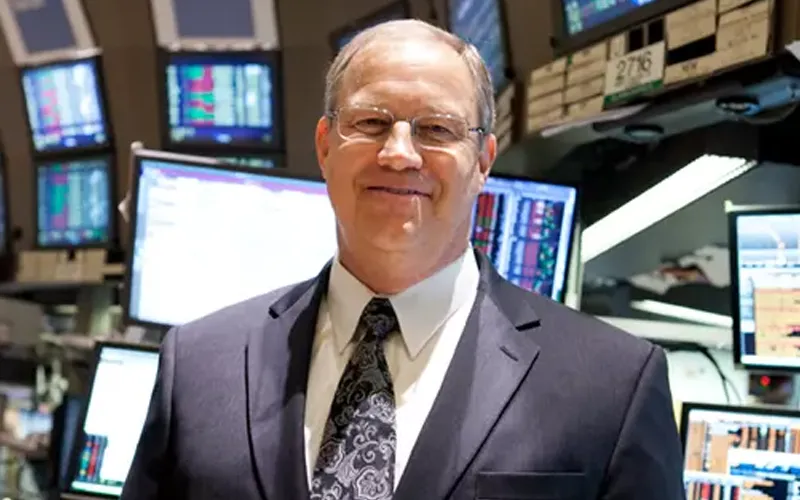
Developing Experience Across Different Roles
Garland started as a project engineer at the Plastics Technical Center before moving into sales engineering, advanced materials, business development, and chemicals management. These assignments exposed him to different parts of the business and helped broaden his professional responsibilities.
Engineering work often focuses on technical problems, product performance, and operational processes. Sales and business development require additional attention to customer relationships, market demand, and commercial opportunities. Moving between these areas can help a professional understand how technical decisions connect with business goals.
Garland’s later responsibilities included natural gas liquids and leadership assignments in Qatar and the Middle East. International work can introduce executives to unfamiliar markets, different business environments, and complex operational requirements. Such experiences can broaden a leader’s understanding of how organizations operate beyond their original locations.
This progression helped prepare Garland for more senior positions in the energy industry. His career illustrates how a technical background can develop into a broader management profile through years of experience and exposure to different business functions.
Greg Garland’s Rise in the Energy Industry
Leadership at Chevron Phillips Chemical and ConocoPhillips
Garland became president and CEO of Chevron Phillips Chemical in 2008 and held that position until 2010. The company operates in the chemicals industry, where production, materials, customer demand, and industrial investment all play important roles. Leading such an organization requires an understanding of technical operations as well as commercial planning and long-term business priorities.
From 2010 to 2012, Garland served as senior vice president for Exploration and Production, Americas, at ConocoPhillips. This role expanded his experience within the energy sector and exposed him to another major area of the industry. Exploration and production involve different operational requirements from chemical manufacturing, making experience across these businesses valuable for understanding the wider energy market.
These positions helped establish Garland as an executive with experience in several parts of the industry. His progression also shows how professional responsibilities can expand over time. Technical knowledge may support an early career, but leadership at the highest level requires the ability to coordinate teams, assess opportunities, manage risks, and make decisions that affect an entire organization.
Leading Phillips 66 as an Independent Company
In May 2012, Garland became chairman and CEO of Phillips 66 when the company began operating as an independent business. This was an important stage in his career because he was responsible for helping shape the organization, establish priorities, and guide its development.
Phillips 66 operates across areas of the energy industry, including refining, chemicals, and midstream activities. Midstream operations involve the transportation, processing, and storage of energy products. Managing these activities requires attention to operational safety, investment decisions, financial performance, and changing market conditions.
During Garland’s leadership, the company emphasized financial discipline, business development, and returns to shareholders. In an April 2022 review, Phillips 66 reported returning $29 billion to shareholders through dividends, share repurchases, and exchanges during the period covered by its announcement. The company also highlighted growth in its midstream business and multiple dividend increases.
These figures describe the company’s reported performance during a particular period rather than Garland’s personal wealth. They help illustrate the scale of the business he led and the financial priorities emphasized during his time as chief executive.
Leading a large energy company also involves challenges that differ from those faced by a retailer. Energy businesses must consider commodity markets, industrial assets, safety requirements, regulations, and long-term investment needs. Garland’s background across engineering, chemicals, and energy provided experience relevant to these responsibilities.
Greg Garland’s Retirement and Board Service
Garland stepped down as CEO of Phillips 66 in June 2022, with Mark Lashier succeeding him as president and CEO on July 1 of that year. Garland continued as executive chairman during the planned transition and left the company’s board in May 2024.
Leaving an executive position does not necessarily mean that a business leader’s professional contribution has ended. Experienced executives may continue working through corporate boards, where their responsibilities include oversight, governance, and participation in major organizational decisions. Board directors generally do not manage daily operations in the same way as a company’s chief executive.
Garland’s later professional activities have included board service at ExxonMobil and Amgen, according to the supplied career account. These roles allow him to contribute experience developed during decades in chemicals and energy. They also reflect a different stage of professional life, in which responsibilities focus more on governance and strategic oversight than on running the daily operations of a single company.
His career timeline is important when discussing his achievements. Garland is best known for his leadership at Phillips 66, but he should be described as its former chairman and CEO rather than its current chief executive. Accurate dates help readers distinguish his earlier executive responsibilities from his later board positions.
Achievements, Recognition, and Professional Responsibilities
Marvin Ellison’s Recognition
Ellison’s professional and civic leadership has earned recognition from several organizations. According to his supplied corporate biography, he has appeared on Barron’s annual list of top CEOs and has been included in Fortune’s leadership-related lists. In 2023, he received the National Retail Federation’s Visionary Award, followed by the McGowan Fund Ethical Leader of the Year Award in 2024.
In 2026, Forbes also recognized him among the 250 Greatest Living Self-Made Americans, according to the provided biography. These honors reflect recognition of his business career and public leadership. However, awards represent particular organizations’ assessments and should be considered alongside the wider record of a leader’s responsibilities and achievements.
Ellison also serves on the board of directors of FedEx Corporation and the board of trustees of the University of Memphis. These responsibilities extend his professional involvement beyond Lowe’s and connect his experience with corporate governance and higher education.
Family Values and Community Involvement
Professional biographies can also include the ways executives contribute to their communities. Ellison and his wife, Sharyn, support religious and philanthropic organizations focused on higher education, personal development, and opportunities for minority youth, according to his supplied biography. His connection with the University of Memphis also demonstrates an ongoing relationship with education.
Community involvement can provide additional context for understanding a public executive’s priorities. Supporting educational opportunities, youth development, and charitable organizations can help extend the impact of professional success beyond a company’s financial results. These activities should be described using reliable public information rather than assumptions about private family matters.
Garland’s public affiliations have included involvement with the Barbara Bush Literacy Foundation and MD Anderson Cancer Center, according to the supplied career account. Such activities reflect areas of community and institutional engagement beyond his former executive role.
These commitments are separate from the daily management of Lowe’s or Phillips 66, but they form part of the broader public record associated with both leaders. Their careers show how senior professionals may contribute through business leadership, education, philanthropy, and corporate governance at different stages of their lives.
Conclusion: Two Different Paths to Executive Leadership
Marvin Ellison and Greg Garland demonstrate how executive leadership can develop from different educational and professional starting points. Ellison built his experience through retail operations, senior management positions, and responsibility for major companies before becoming chairman and CEO of Lowe’s. Garland began with chemical engineering and expanded his experience across chemicals, exploration and production, and energy leadership before guiding Phillips 66 as an independent company.
Their stories offer a practical reminder that professional growth often depends on more than a degree or a single career opportunity. It requires learning how organizations function, accepting new responsibilities, understanding different teams, and responding to changing business conditions. Their leadership roles also show why accurate career timelines matter: Ellison continues to lead Lowe’s, while Garland’s work at Phillips 66 has given way to later board service.
For students, managers, and professionals, the journeys of these executives provide useful examples of long-term career development. Their industries differ, but both careers highlight the value of combining knowledge with experience, adapting to new challenges, and making decisions with an understanding of the wider organization.
Frequently Asked Questions
1. Who are Marvin Ellison and Greg Garland?
Marvin Ellison is the chairman, president, and CEO of Lowe’s, a major home improvement retailer. Greg Garland is an energy and chemicals executive best known for serving as chairman and CEO of Phillips 66 from 2012 until 2022. Their careers developed in different industries, making their professional journeys useful examples of different routes to senior leadership.
2. What is Marvin Ellison known for?
Ellison is known for his leadership at Lowe’s and his earlier executive roles at J.C. Penney, The Home Depot, and Target. His experience covers retail operations, store management, and business strategy. He is also recognized for his professional and civic leadership and has served on the boards of FedEx and the University of Memphis.
3. What is Greg Garland best known for?
Garland is best known for leading Phillips 66 during its first decade as an independent company. Before that, he held senior positions at Chevron Phillips Chemical and ConocoPhillips. His education in chemical engineering and experience across several energy-related businesses helped shape his professional career.
4. What degrees do the two executives hold?
Marvin Ellison earned a bachelor’s degree in business administration from the University of Memphis and an MBA from Emory University. Greg Garland earned a Bachelor of Science degree in chemical engineering from Texas A&M University in 1980. Their educational backgrounds reflect their different professional starting points.
5. Do Marvin Ellison and Greg Garland work for the same company?
Their career histories do not establish that they are business partners or that they work together at the same company. Ellison’s main executive role is at Lowe’s, while Garland’s best-known leadership position was at Phillips 66. Their careers are compared because they offer different examples of business leadership.
6. What can professionals learn from their careers?
Their careers show the importance of building practical knowledge, continuing to learn, and accepting responsibilities that develop new skills. Ellison’s experience highlights retail operations and customer needs, while Garland’s career demonstrates how technical expertise can expand into commercial and executive leadership. Both journeys illustrate that professional development usually takes time and requires adaptability.
For more interesting stories and biographies, visit tend zore to explore more.