





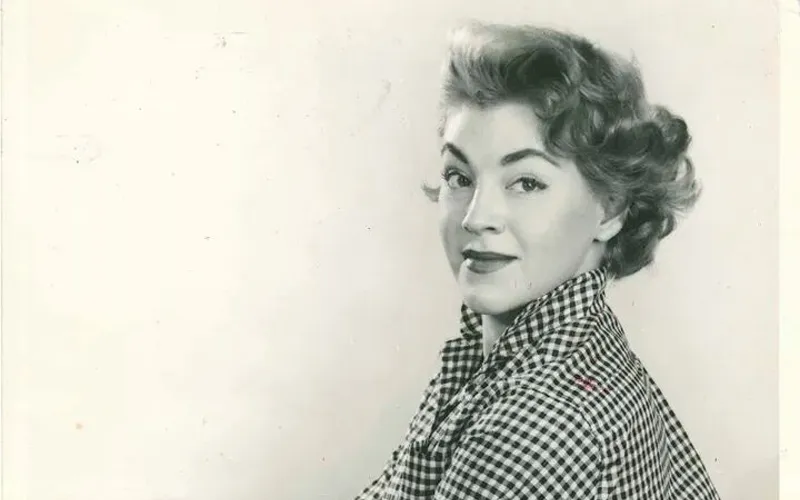
Elsie Ford, professionally known as Elsie Downey, lived a fascinating life that connected Pennsylvania, New York’s artistic world, underground cinema, family, and eventually Hollywood history. She was not a conventional movie star, but her unusual performances made her an important figure in the experimental film scene of the 1960s and 1970s. She also became known as the mother of actor Robert Downey Jr., but her own story deserves attention beyond her famous family connection.
Born Elsie Ann Ford on April 11, 1934, in Dormont, Pennsylvania, she developed an interest in acting at a young age. After leaving college in the 1950s, she moved to New York City with hopes of becoming a comedian and performer. There, she met filmmaker Robert Downey Sr., beginning both a personal relationship and a creative partnership that would shape much of her early career.
Quick Bio of Elsie Downey
| Detail | Information |
| Full birth name | Elsie Ann Ford |
| Professional name | Elsie Downey |
| Born | April 11, 1934 |
| Birthplace | Dormont, Pennsylvania, United States |
| Profession | Actress and writer |
| Height | 5 feet 2 inches (1.57 m) |
| Former husband | Robert Downey Sr. |
| Marriage | 1962 |
| Children | Allyson Downey and Robert Downey Jr. |
| Best-known work | Chafed Elbows, Pound, Greaser’s Palace |
| Television role | Muriel Haggers in Mary Hartman, Mary Hartman |
| Died | September 22, 2014 |
| Age at death | 80 |
Elsie Downey’s Birth, Childhood, and Early Years
The story of Elsie Downey born begins in Dormont, a community near Pittsburgh, Pennsylvania. She was born into a family that had interesting professional roots even though it was not involved in the entertainment business. Her father, John Webster Ford, worked as an engineer and was connected with the construction of the Panama Canal. Her mother, Fay Marguerite Schoch, ran a jewelry shop in Huntingdon, Pennsylvania, where the family later settled.
Growing up in Pennsylvania gave Elsie a relatively traditional beginning, but she eventually wanted something very different from an ordinary life. She became interested in performance and comedy and decided to pursue acting. In the mid-1950s, she left college and headed to New York City, where she hoped to build a career as a comedienne.
New York provided her with access to an artistic community that was developing outside the traditional entertainment system. The city was filled with performers, writers, theater people, and independent filmmakers who were experimenting with new ways of telling stories. This environment suited Elsie’s personality and helped prepare her for the unconventional career that followed.
Elsie Downey Movies: Entering Underground Cinema
The answer to Elsie Downey movies is relatively short, but the productions themselves were anything but ordinary. She appeared primarily in films directed by Robert Downey Sr., and these projects were part of the American underground film movement.
Her feature debut came with Babo 73 in 1964. The film was Robert Downey Sr.’s first feature and used political satire to create a deliberately unconventional picture of American life. Elsie played a Hitchhiker.
The movie reflected the filmmaking philosophy that would define the couple’s creative partnership. Downey Sr. and his collaborators were not working within the polished studio system. Instead, they were experimenting with limited resources and a strong sense of creative freedom.
Elsie was particularly suited to this environment because she did not depend on conventional leading-lady roles. She could play characters that were comic, exaggerated, mysterious, or completely absurd.
Chafed Elbows and Her Most Unusual Performance
Elsie’s most famous early performance came in Chafed Elbows, released in 1966. The movie became one of Robert Downey Sr.’s best-known underground projects, and Elsie’s contribution was especially unusual because she portrayed all of the women’s roles. IMDb lists her credit as “All Women’s Roles.”
This performance demonstrated why Elsie became such an important part of her husband’s filmmaking style. Instead of appearing as one actress playing one character, she transformed herself repeatedly throughout the production.
Her ability to switch between characters gave the movie an additional layer of absurdity. It also showed that she was comfortable with experimental comedy and did not need conventional storytelling to demonstrate her acting skills.
For viewers discovering her work today, Chafed Elbows remains one of the clearest examples of her versatility. It explains why she is still mentioned when discussing Robert Downey Sr.’s underground film career.
Pound and Robert Downey Jr.’s First Acting Role
Elsie returned to the screen in Pound in 1970, where she played a character called Mutt Bitch. The film continued Robert Downey Sr.’s unusual approach to storytelling by having human actors portray dogs waiting in an animal shelter.
The movie has an especially important place in the Downey family story because it also introduced young Robert Downey Jr. to film acting. He was only five years old when he appeared in the production.
This meant that mother and son were part of the same unusual filmmaking environment long before Robert became a major Hollywood star. His early experience was very different from that of children who entered acting through conventional studio productions.
For Elsie, Pound represented another stage in a career built around creativity rather than commercial fame. Her work during this period helped establish the artistic foundation that would later become an interesting part of her son’s biography.
Greaser’s Palace and Experimental Roles
In 1972, Elsie appeared in Greaser’s Palace, another Robert Downey Sr. film. She was credited simply as The Woman. The production was a surreal Western that mixed religious ideas, strange comedy, and deliberately unconventional storytelling.
The film demonstrated how far the Downey family’s creative world was removed from conventional Hollywood filmmaking. Elsie’s role was not built around traditional star power. Instead, she became part of a larger artistic experiment.
Her willingness to accept such roles was one of the reasons she remained an important figure in her husband’s early filmography. She understood the tone of his work and could adapt herself to projects that were designed to challenge ordinary expectations.
Two Tons of Turquoise to Taos Tonight
Elsie’s final major feature collaboration with Robert Downey Sr. came with Two Tons of Turquoise to Taos Tonight in 1975, also known as Moment to Moment. Her contribution was particularly impressive because she played multiple characters and was also credited as a screenwriter under the name L.C. Downey.
Robert Downey Jr. later remembered the film as one of the standout examples of his mother’s creative abilities, noting that she played a remarkable number of characters. Her involvement demonstrated that she was more than simply an actress appearing in her husband’s projects. She could also contribute to the writing and overall creative process.
By this point, however, the personal and professional world surrounding the family was changing. The underground film scene was becoming increasingly complicated, and the pressures affecting the Downey family would eventually influence both Elsie’s marriage and career.
Elsie Downey and Mary Hartman, Mary Hartman
After years of working in experimental films, Elsie Downey moved into television during the 1970s. Her most recognizable television credit came from the satirical series Mary Hartman, Mary Hartman, where she played Muriel Haggers. The series ran from 1976 to 1977 and became known for turning the traditional soap opera format into something strange, funny, and socially observant.
Elsie’s role was a natural fit for her unusual acting style. Muriel Haggers was a dramatic and eccentric character who brought additional tension and humor to the Haggers family storyline. She appeared in approximately 20 episodes, giving Elsie one of the longest-running screen roles of her career.
For people searching Elsie Downey Mary Hartman Mary Hartman, this television appearance is especially important because it represented the final major professional acting chapter of her career. Her son, Robert Downey Jr., later remembered how much she enjoyed the job. She had spent years working in unconventional movies, and television offered her a chance to continue performing for a wider audience.
The role also arrived during a difficult period in her personal life. Her marriage to Robert Downey Sr. was breaking down, while the entertainment world around them was becoming increasingly affected by the drug culture of the era.
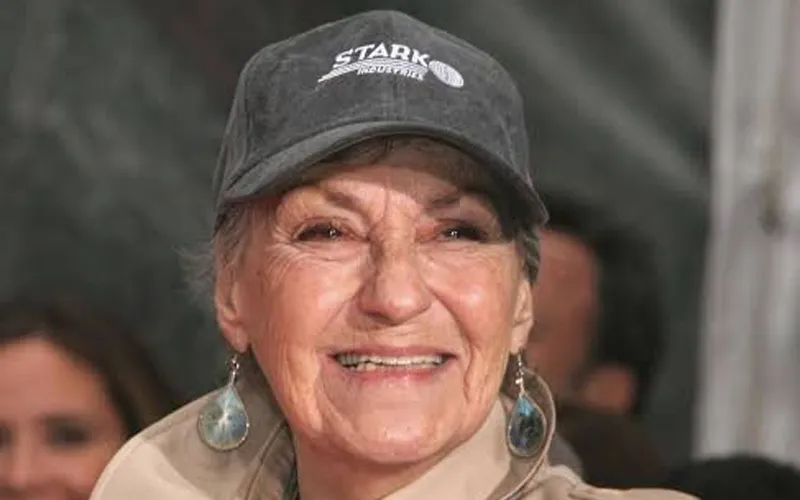
Elsie Downey Divorce and the End of Her Marriage
Elsie’s marriage to Robert Downey Sr. eventually came to an end after years of personal and family difficulties. The couple had worked closely together, but their relationship became increasingly strained during the 1970s.
Accounts of the exact divorce date vary. Some biographies describe their marriage as ending around 1975, while official entertainment records give February 18, 1982, as the date of the legal divorce. What is not disputed is that their relationship had largely fallen apart by the middle of the 1970s.
Substance abuse played a major role in the difficulties surrounding the family. Robert Downey Sr. later spoke openly about his own drug use during that period. Elsie also struggled with alcoholism, creating a painful environment for the family.
Their separation was especially difficult because they had two young children. Allyson and Robert Downey Jr. had to adjust to their parents living separately while both parents were dealing with their own personal problems.
Despite the painful ending, Elsie’s story did not stop with the divorce. The following years would eventually become a period of rebuilding and personal recovery.
Elsie Downey’s Struggle and Long-Term Sobriety
One of the most important parts of Elsie’s personal story was her battle with alcoholism. Her struggles affected both her career and family relationships, but she eventually achieved long-term sobriety.
According to memories shared by Robert Downey Jr., his mother’s recovery became an important example for him. She reportedly became sober in 1990 and maintained that sobriety for the remainder of her life.
Her recovery had a deeper meaning because Robert himself later faced serious substance-use problems. Watching his mother successfully change her life gave him a personal example of recovery and perseverance.
This is an important part of her legacy because it is easy to focus only on her film credits or her connection to Robert Downey Jr. Her later life demonstrated that a person can move beyond painful periods and rebuild relationships.
Elsie was therefore remembered not only as an actress but also as someone who overcame a difficult personal chapter. Her son later acknowledged the important role she played in his own journey.
Elsie Downey Death and Final Months
The question of Elsie Downey death is closely connected to a difficult series of health problems during her final year. She died on September 22, 2014, in Los Angeles, California, at the age of 80.
Her health had been affected by chronic heart problems. In March 2014, she suffered a serious cardiac arrest and required medical life support. Although her condition was initially extremely serious, she later regained consciousness and was able to interact with family members.
Her recovery, however, was temporary. She subsequently suffered severe seizures, and her overall health continued to deteriorate.
During the final stage of her illness, the family chose comfort-focused care. She was moved home under hospice supervision, allowing her to spend her final days surrounded by family rather than undergoing aggressive treatment.
She died peacefully on September 22, 2014.
Elsie Downey Net Worth
There is no dependable public record establishing an exact Elsie Downey net worth at the time of her death. Assigning a specific number would therefore be speculative.
Her career was primarily based around independent and experimental productions rather than major commercial Hollywood movies. Films such as Chafed Elbows, Pound, and Greaser’s Palace were artistic projects rather than large studio blockbusters.
Her television work on Mary Hartman, Mary Hartman provided another professional opportunity, but her acting career was relatively brief. She did not build the type of enormous personal fortune associated with major Hollywood stars.
Her financial legacy is therefore less important than her artistic and family legacy. Her contribution to experimental cinema and her influence on Robert Downey Jr. remain much more significant than any unverified estimate of her wealth.
Elsie Downey Wiki and Wikipedia
People searching for Elsie Downey wiki or Elsie Downey Wikipedia may notice that she does not have a major standalone English Wikipedia biography.
However, information about her can be found through film databases, biographies of Robert Downey Jr. and Robert Downey Sr., and records concerning the underground films in which she appeared.
The lack of a large individual Wikipedia page should not be interpreted as a lack of historical importance. Elsie’s work was concentrated in a relatively small but distinctive part of American cinema.
Her performances are particularly relevant when studying Robert Downey Sr.’s filmmaking career. She also has an important place in the personal history of Robert Downey Jr., whose early life was deeply connected to his parents’ creative world.
Frequently Asked Questions
1. Who was Elsie Downey?
Elsie Downey was an American actress and screenwriter known for her work in experimental and underground films. She was also the mother of actor Robert Downey Jr.
2. When was Elsie Downey born?
She was born on April 11, 1934, in Dormont, Pennsylvania. She later moved to New York City to pursue acting.
3. What movies did she appear in?
Her notable credits include Babo 73, Chafed Elbows, Pound, Greaser’s Palace, and Two Tons of Turquoise to Taos Tonight. She was especially known for taking unusual and multiple roles.
4. What was her role in Mary Hartman, Mary Hartman?
Elsie Downey played Muriel Haggers in the satirical television series Mary Hartman, Mary Hartman. She appeared in around 20 episodes.
5. Who were her children?
She had two children with Robert Downey Sr., Allyson Downey and Robert Downey Jr. Her son later became a major Hollywood actor.
6. How old was she when she died?
Elsie Downey was 80 years old when she died on September 22, 2014, in Los Angeles, California.
7. What was her cause of death?
Her death was associated with complications following a cardiac arrest and chronic heart problems. She experienced serious health complications during her final months.
8. Does she have a Wikipedia page?
There is no substantial standalone English Wikipedia biography for Elsie Downey. Information about her can be found through film databases and biographies covering her family and career
Conclusion
Elsie Ford, remembered professionally as Elsie Downey, lived a life filled with creativity, challenges, family, and personal strength. From her early years in Pennsylvania to her unusual acting career in underground cinema, she followed a path that was very different from the traditional Hollywood journey. Her memorable performances in films such as Chafed Elbows, Pound, and Greaser’s Palace showed her willingness to take creative risks and embrace unconventional roles.
Her life was also deeply connected to her family. As the mother of Allyson Downey and Robert Downey Jr., she played an important role in the story of a family that became closely associated with the entertainment industry. Her later journey toward sobriety became another meaningful part of her legacy and provided inspiration for her son.
Elsie Downey died at the age of 80 in 2014 after serious heart-related health complications. Although she was not a mainstream Hollywood star, her contribution to experimental cinema and her influence on her family continue to keep her story alive. Her legacy is ultimately remembered not only through her movies, but also through her resilience, creativity, and lasting impact on those closest to her.
For more interesting stories and biographies, visit tend zore to explore more.