





Aridio Saldaña is remembered mainly as the father of Hollywood actress Zoë Saldaña, but his story is also connected to Dominican family roots, migration, marriage, fatherhood, and a tragedy that changed the lives of his family. Although he lived much of his life away from the public spotlight, his name became more widely known because of the influence his life and untimely death had on his daughters.
Born in the Dominican Republic, he later moved to the United States, where he built a family with Asalia Nazario. The couple had three daughters, including Zoë Saldaña, who eventually became one of the most recognizable actresses in international cinema. His family background remained an important part of his children’s identity, especially after his death forced major changes in their childhood.
The story of Aridio is therefore not simply about being the father of a famous actress. It is about a Dominican immigrant who established a family in the United States and whose sudden death left his wife and young daughters facing an entirely different future. His daughters were eventually sent to the Dominican Republic, where they spent important years reconnecting with their father’s heritage.
Quick Bio of Aridio Saldaña
| Personal Detail | Information |
| Full Name | Aridio Saldaña |
| Birth Year | 1949 |
| Reported Birth Date | May 19, 1949 |
| Birthplace | Cotuí, Dominican Republic |
| Nationality | Dominican |
| Ethnic Background | Afro-Dominican heritage |
| Father | José del Carmen Saldaña |
| Mother | Emilia Rosario |
| Wife | Asalia Nazario |
| Children | Mariel Saldaña Nazario, Zoë Saldaña, Cisely Saldaña Nazario |
| Place of Later Residence | United States |
| Year of Death | 1987 |
| Reported Date of Death | March 28, 1987 |
| Age at Death | About 38 years |
| Cause of Death | Automobile accident |
| Best Known For | Being the father of Zoë Saldaña |
Early Life and Dominican Roots
Aridio was born in Cotuí, a city in the Dominican Republic associated with the province of Sánchez Ramírez. His early years were connected to the Dominican environment in which he was raised, and his family lineage was rooted in the country for generations. This background later became an important part of the cultural identity passed on to his children.
When people search for aridio saldana nationality, the answer is generally given as Dominican. His life began in the Dominican Republic before he eventually moved to the United States as a young man. Like many immigrants, his move represented a major transition from one country and culture to another. He established his adult life in the United States while maintaining connections with the country where he had been born.
Available genealogical information identifies his parents as José del Carmen Saldaña and Emilia Rosario. This makes José del Carmen Saldaña an important figure when looking at the family tree. Aridio’s relationship with his own family also became significant after his death because his children were sent back to the Dominican Republic and spent time with relatives from his side of the family.
His Family Background
Information about the Saldaña family shows connections to different parts of the Dominican Republic, including La Vega and Cotuí. His father, José del Carmen Saldaña, was reportedly born in La Vega, while the wider family maintained Dominican roots. These details help explain why the Dominican Republic remained such an important part of the family’s history.
When researching the father aridio saldaña, it is important to distinguish between Aridio himself and his relationship to his famous daughter. Aridio was the father of Zoë Saldaña, while José del Carmen Saldaña was Aridio’s father. This distinction matters because online searches sometimes mix together different generations of the Saldaña family.
His mother’s name has been identified as Emilia Rosario. Together, José del Carmen Saldaña and Emilia Rosario formed the immediate parental line from which Aridio came. Their family history contributes to the larger Dominican heritage associated with the Saldaña family.

What Was His Ethnicity?
People also frequently search for aridio saldaña ethnicity because of the family’s connection to Zoë’s Afro-Latino identity. He is generally described as Afro-Dominican. This description reflects his Dominican background and African ancestry within the broader racial and cultural history of the Caribbean.
For his daughters, this heritage became particularly meaningful after they moved to the Dominican Republic following his death. Living there gave them an opportunity to experience the language, culture, traditions, and family connections associated with their father’s homeland.
Move to the United States
At some point during his younger years, Aridio moved from the Dominican Republic to the United States. He eventually settled in the New York and New Jersey area, where he started a family and built his life with Asalia Nazario.
The move from the Dominican Republic to the United States created a multicultural environment for his children. His daughters grew up with connections to both American life and their parents’ Caribbean backgrounds. This combination later became a defining part of Zoë Saldaña’s public identity.
The family lived in the New York City area, including Jackson Heights in Queens. For a young family, this environment provided exposure to different languages and cultures. At home and through their extended family, the girls remained connected to their Dominican and Puerto Rican heritage.
Marriage to Asalia Nazario
Aridio married Asalia Nazario, who had Dominican and Puerto Rican family roots. Their marriage brought together two Caribbean backgrounds and created the family environment in which their three daughters were raised.
The couple became parents to three girls: Mariel Saldaña Nazario, Zoë Yadira Saldaña Nazario, and Cisely Saldaña Nazario. Although Zoë later became the most internationally famous member of the family, all three daughters remained connected to their family history.
Searching for aridio saldana husband can sometimes lead to confusion because the available family records identify Asalia Nazario as his wife. There is no reliable basis for describing Aridio as having a husband. His known marriage was to Asalia, and together they raised three daughters.
His Three Daughters
Aridio’s eldest daughter is Mariel Saldaña Nazario. She has generally maintained a much lower public profile than her younger sister Zoë. His second daughter, Zoë Saldaña, went on to establish a major career in film and became internationally known for roles in major Hollywood productions.
His youngest daughter is Cisely Saldaña, who has also worked in the entertainment industry, particularly in production. The three sisters have maintained a close connection throughout their lives, and their shared childhood experiences have remained an important part of their family story.
When readers search for aridio saldaña children, these three daughters are the names most consistently associated with his immediate family. Their lives took a major turn after their father’s death.
The Meaning of the Father-Daughter Connection
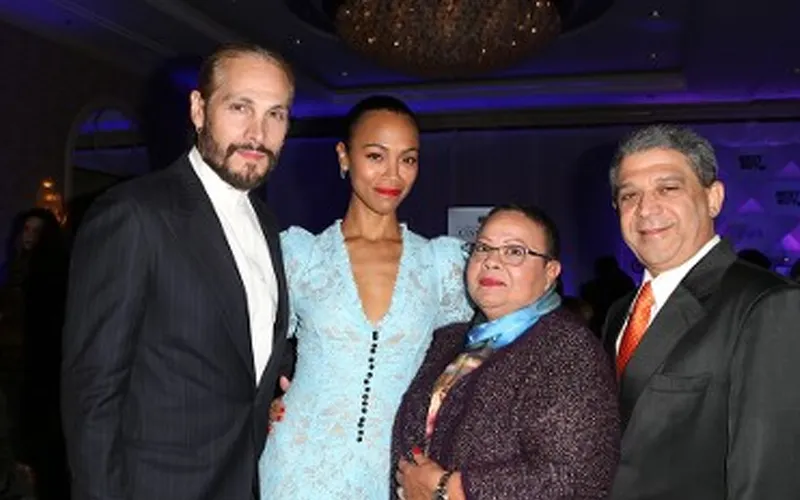
The relationship between a father and child can continue to influence a person long after childhood. In Zoë’s case, the loss of her father became part of the story she carried into adulthood. His memory remained connected to her family identity and to the Dominican heritage that became an important part of her life.
The search term biological father aridio saldaña reflects a common interest in understanding Zoë’s family background. Aridio was indeed her biological father, while her later family life also included a stepfather after her mother’s remarriage.
Aridio Saldaña Cause of Death
One of the most searched questions about him is aridio saldaña cause of death. Available biographical accounts state that he died in an automobile accident in 1987. His death was sudden and had a profound effect on his wife and three daughters.
Reports generally place the accident in New York. At the time, his daughter Zoë was nine years old. The tragedy meant that the family had to make major personal and financial decisions almost immediately.
Some online sources give slightly different details about the exact date or even the year, with a few references listing 1988. However, the most commonly repeated biographical information places his death in 1987, with March 28, 1987, appearing in genealogical records. Because historical family records can vary, the exact date should be treated with some caution, while the year 1987 and automobile accident are the more consistently reported details.
How His Death Changed the Family
Aridio’s death was much more than a private family tragedy. It changed the childhood circumstances of his daughters. His widow was suddenly responsible for three young children, and the family faced financial and emotional difficulties.
Zoë later described this period of her childhood as a difficult time for the family. Her mother eventually sent the girls to the Dominican Republic, where they could be cared for by relatives. This decision also gave the children a stronger connection to the culture and family roots associated with their father.
The experience helped shape the environment in which Zoë grew up. During her years in the Dominican Republic, she became comfortable with Spanish and developed an even stronger connection to her Dominican identity.
Life in the Dominican Republic After His Death
After the tragedy, Mariel, Zoë, and Cisely spent years in the Dominican Republic with their father’s family. The move was not simply a vacation or temporary cultural experience. It became an important chapter of their childhood.
For Zoë, those years had a lasting effect. She became involved in dance and received formal training in ballet and other forms of dance. Her early dance education eventually became relevant to her acting career because physical discipline, movement, and performance became important parts of her professional development.
The experience also allowed the sisters to remain connected to the country their father came from. They experienced Dominican culture more directly and developed a relationship with extended relatives that might otherwise have been more distant.
A Cultural Legacy
The cultural legacy left by Aridio can be seen through his daughters. Zoë has spoken publicly over the years about her Dominican heritage and her connection to the Caribbean. Her background became an important part of her identity as she entered Hollywood.
This is one reason searches for aridio saldaña biografia continue to attract interest. His personal life was not widely documented while he was alive, but his role in the family history of an internationally successful actress has made his story significant to many readers.
His legacy is therefore closely connected to family rather than professional fame. He did not become famous because of a long entertainment career or a public business empire. Instead, his importance comes from the family he created and the cultural heritage he passed to his daughters.
Remembering Him Through His Family
One of the most touching ways Aridio’s memory has continued is through his descendants. Zoë named one of her twin sons Cy Aridio Perego-Saldaña, incorporating her father’s name into the next generation of the family.
Giving a child the name of a deceased parent is often a deeply personal tribute. In this case, the use of Aridio’s name represents the continuing place he holds within the family decades after his death.
His influence can also be seen in the way his daughters have remained connected to their Dominican roots. Although his life ended when they were still young, the family circumstances that followed helped shape their understanding of where they came from.
Clarifying Common Searches About His Family
There are several searches surrounding Aridio’s name that can be confusing because family members from different generations are sometimes mixed together online.
The phrase zoe saldana aridio saldaña refers to the father-daughter relationship between Aridio and Zoë. Similarly, searches using zoë saldaña aridio saldaña generally seek information about Zoë’s biological father and the effect his death had on her childhood.
The phrase husband father aridio saldaña can also be misleading. Aridio was Zoë Saldaña’s father, while his own wife was Asalia Nazario. After his death, Asalia later married Dagoberto Galán, who became Zoë’s stepfather.
Another common point of confusion concerns Zoë’s husband. Zoë is married to Marco Perego-Saldaña, an Italian artist and filmmaker. Marco is the husband of Zoë, not of Aridio. Keeping these different relationships separate makes the Saldaña family tree easier to understand.
Aridio Saldaña De Donde Es
For Spanish-speaking readers searching aridio saldaña de donde es, he was from Cotuí in the Dominican Republic. His birthplace connects him directly to the Dominican region that remained an important part of his family’s identity.
Although he later immigrated to the United States, his origin was Dominican. His daughters’ later years in the Dominican Republic strengthened that connection and helped preserve the family’s relationship with the country.
The Spanish search aridio saldaña nacionalidad similarly points to his Dominican nationality. His migration to the United States should not be confused with a change in his family origins. He was a Dominican-born man who established his adult family life in the United States.
Frequently Asked Questions
1. Who was Aridio Saldaña?
Aridio Saldaña was a Dominican-born man best known as the biological father of actress Zoë Saldaña. He later moved to the United States and built a family with Asalia Nazario.
2. What was his nationality?
He was Dominican and was born in Cotuí, Dominican Republic. His family continued to maintain strong connections to the country after his move to the United States.
3. Who were his parents?
His parents were José del Carmen Saldaña and Emilia Rosario. His father’s family had roots in the Dominican Republic, particularly around La Vega and Cotuí.
4. What was his cause of death?
He died in an automobile accident in 1987. The sudden tragedy deeply affected his wife and three young daughters, including Zoë.
5. Who was his wife?
He was married to Asalia Nazario. Together, they had three daughters: Mariel, Zoë, and Cisely Saldaña.
6. How many children did he have?
Aridio Saldaña had three daughters. They were Mariel Saldaña Nazario, actress Zoë Saldaña, and Cisely Saldaña Nazario.
7. Where was he born?
He was born in Cotuí, Dominican Republic. His Dominican background remained an important part of his family’s identity.
8. How did his death affect Zoë Saldaña?
Zoë was only nine years old when her father died. After the tragedy, she and her sisters went to live with relatives in the Dominican Republic, where they became more closely connected to their father’s culture and heritage.
Final Thoughts
The story of Aridio Saldaña is ultimately a story about family, heritage, migration, and loss. Born in Cotuí, Dominican Republic, he later made his life in the United States and became the husband of Asalia Nazario and father of three daughters. His daughter Zoë eventually achieved worldwide recognition as an actress, but her connection to her father remained an important part of her personal history.
His death in an automobile accident in 1987 ended his life far too early, leaving his daughters without their father during their childhood. Yet the family found a way to preserve his heritage. Their years in the Dominican Republic strengthened their cultural connection, and his name was later carried into another generation through his grandson Cy Aridio.
For that reason, his legacy is not measured by public achievements or celebrity status. It lives through his children, grandchildren, and the Dominican heritage that remained an important part of the family story. Even decades later, his place in Zoë Saldaña’s life continues to make his biography meaningful to people interested in the actress, her family, and the roots behind her remarkable journey.
For more interesting stories and biographies, visit tend zore to explore more.