







Clear visibility is one of the most important parts of safe driving. A sudden shower, road spray, dust, mud, or even melting snow can leave the windshield covered in moisture and debris within seconds. Wiper blades are designed to clear that buildup, but the rubber gradually wears down from everyday use, sunlight, changing temperatures, and exposure to water. Once the blades start leaving streaks or missing areas of glass, replacing them is usually a straightforward maintenance job. Knowing how to replace windshield wipers allows you to change worn blades at home and keep your view of the road clear without making an unnecessary trip to a repair shop.
Table of Contents
- Know When Your Wipers Need Replacing
- Select the Right Blades for Your Vehicle
- Prepare Before Removing the Old Blade
- How to Replace Windshield Wipers
- Step by Step Check Vehicle-Specific Fitment
- · Changing Wiper Blades on a Honda Accord
- · Changing Wiper Blades on a Toyota Corolla
- · How to Replace Windshield Wipers on a Nissan Altima
- How to Replace Windshield Wipers on a Subaru Forester
- A Simple Guide to Toyota Camry Wiper Replacement
- Honda CR-V Wiper Blade Replacement Guide
- Honda Civic Wiper Blade Replacement Guide
- 2017 Honda Civic Wiper Blade Replacement Guide
- · Replacing the Wipers on Your Toyota
- · How to Replace Windshield Wipers on a Nissan Rogue
- How to Replace Windshield Wipers on a Hyundai Elantra
- How to Replace Windshield Wipers on a Chevy Suburban
- How to Replace Windshield Wipers on an Infiniti QX60
- Replacing the Wipers on Your Dodge Journey
- How to Replace Windshield Wipers on Michelin Blades
- How to Replace Windshield Wipers on a Jeep Wrangler
- How to Replace Windshield Wipers on a Mazda 3
- Understand Different Wiper Blade Designs
- Test the Installation
- Maintain the Blades After Installation
- Common Mistakes to Avoid
- Frequently Asked Questions
- Final Thoughts
Signs Your Windshield Wipers Are Ready for Replacement
Windshield wipers are easy to overlook until you actually need them during heavy rain. Their rubber edges are constantly exposed to sunlight, heat, cold temperatures, dirt, and moisture, so they naturally wear down over time As the rubber wears out or cracks, the blade can lose proper contact with the windshield. Instead of clearing water evenly, they can leave streaks, patches, or cloudy areas that make it harder to see the road.
Common signs of worn wipers include skipping across the glass, squeaking during use, leaving lines behind, or failing to clear water with one smooth movement. You may also notice cracks, splits, or pieces missing from the rubber edge. If your blades have started behaving this way, replacing them is usually a simple maintenance job that you can handle at home.
Knowing when to replace them is especially important because clear visibility is not something you want to compromise during bad weather. A new set of blades can make a noticeable difference without requiring an expensive service appointment.
How to Pick the Right Windshield Wipers
Before replacing your windshield wipers, check that the new blades are the right fit for your vehicle. Wiper sizes are not universal, even between vehicles from the same manufacturer. The driver’s side and passenger side can also require different lengths, so buying two identical blades without checking the vehicle specifications can lead to an incorrect fit.
Your owner’s manual is one of the easiest places to confirm the recommended blade sizes. You can also use a vehicle-specific wiper finder from an automotive parts retailer. Check the blade size and connector design before purchasing a replacement. A blade can have the correct length but still fail to fit if its adapter does not match the wiper arm.
It is also worth checking the exact model year. Manufacturers sometimes change wiper arm designs during a model refresh or generation change. This is why the correct blade for one Honda Civic, Toyota Camry, or Mazda 3 may not necessarily fit another year of the same vehicle.
Get Everything Ready Before Removing the Wiper
Once you have the correct replacement blades, park your vehicle somewhere flat and safe. Switch off the engine and check that the wipers have completely stopped. . If the wiper arms are tucked beneath the edge of the hood, check your owner’s manual for the correct service or maintenance position before attempting to lift them.
Protecting the windshield should be one of your first priorities. Place a folded towel or thick microfiber cloth on the glass directly underneath the wiper arm. The arm contains a spring and can snap downward with considerable force if it is released accidentally. Without the old blade attached, the exposed metal arm can strike the windshield and cause expensive damage.
Take your time during this part of the job. There is no reason to rush, especially if you have never replaced wipers before. Once the arm is safely raised and the glass is protected, the rest of the process is usually straightforward.
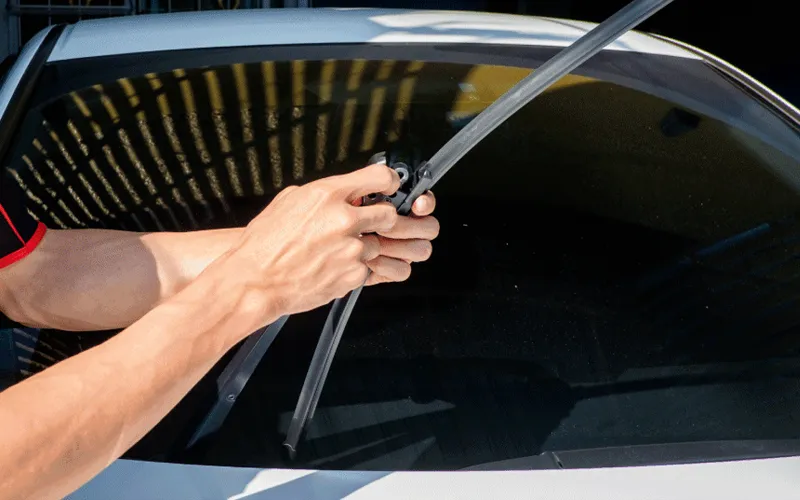
A Simple Guide to Replacing Windshield Wipers
Remove the Existing Wiper Blade
Lift the wiper arm carefully and position the blade so the main attachment point is visible. Most vehicles use either a J-hook, push-button, or another adapter-based system.
If your vehicle uses a traditional J-hook, look around the center of the blade for a small plastic release tab. Press the release tab and slide the blade down along the wiper arm. The blade should move away from the hook without requiring excessive force.
For push-button connectors, find the small release button located on the blade or wiper arm. Press the button while sliding the blade out of the connector. Different aftermarket blades can use slightly different release mechanisms, so inspect the connection carefully if it does not move immediately.
Once the old blade is removed, keep the metal arm resting over the towel. Never allow the bare arm to fall directly against the windshield.
Install the New Blade
Take the replacement blade out of its packaging and remove any protective plastic covering the rubber edge. Check the center connector and make sure the correct adapter is installed.
· With a J-hook arm, fit the hook through the blade’s opening and slide it into place. Pull the blade firmly into position until the locking mechanism clicks. If the blade has a plastic locking cover, close it after the hook is fully seated.
For a push-button system, line up the new blade’s adapter with the end of the wiper arm. Slide the blade into the arm until the release button pops into its locking position.
After installation, gently pull on the blade to confirm that it is secure. It should not slide freely away from the arm. Once you are satisfied with the connection, carefully lower the wiper arm onto the protected windshield.
Repeat the same process on the other side. Remember that the second blade may have a different length, so do not assume both replacement blades are identical.
Check Vehicle-Specific Fitment
Although the basic replacement process is similar across many cars, the connection system and service position can vary. The following vehicle-specific information can help you understand what to look for before beginning the job.
Changing Windshield Wipers on a Honda Accord
Honda Accord models can use different wiper arrangements depending on the generation. Many versions use a hook-style connection, while some newer models have a tucked wiper design that requires the arms to be placed into a maintenance position before they can be lifted safely.
Once the arms are accessible, protect the windshield with a towel and inspect the center connector. Release the old blade and attach the replacement using the appropriate adapter. Check that the blade clicks into position before lowering the arm.
Always verify the required blade length for your specific Accord model year rather than relying on a size used by another generation.
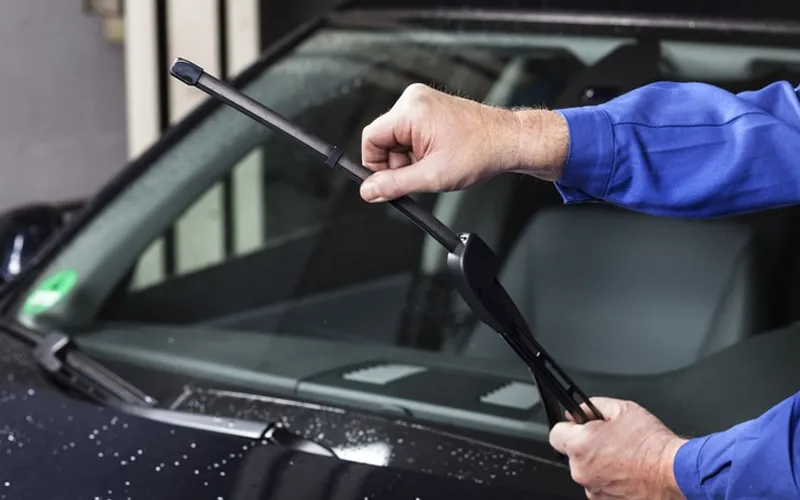
Changing Wiper Blades on a Toyota Corolla
When learning how to replace windshield wipers on a Toyota Corolla, start by checking the exact model year and connector style. Many Corolla versions use a relatively simple blade attachment, but newer designs can differ from older ones.
Lift the arm carefully and place a towel underneath it. Release the locking mechanism on the old blade and slide it away from the arm. Attach the new blade by guiding the connector into position until it locks securely.
After installation, gently test the blade by hand before operating the wipers.
How to Replace Windshield Wipers on a Nissan Altima
The Nissan Altima has changed its wiper hardware over different generations, so checking the model year is important. Before removing the old blade, make sure the replacement has the correct connector.
Lift the arm, protect the glass, and release the old blade from its attachment point. Install the new blade using the matching adapter and make sure the locking mechanism is fully engaged.
A gentle tug on the new blade is a useful final check before lowering the arm.
How to Replace Windshield Wipers on a Subaru Forester
Subaru Forester models can use different wiper connection systems depending on their generation. Some versions use a J-hook while others use a push-button-style connector.
If your Forester has tucked wipers, check whether it needs to be placed into a service position first. Never force the arms against the hood.
Once the arm is safely raised, remove the old blade and install the replacement using the appropriate connector. Make sure it locks into place before moving to the passenger side.
A Simple Guide to Toyota Camry Wiper Replacement
Toyota Camry wiper systems vary between generations. Some models have conventional arms that can be lifted directly, while newer designs may require a maintenance position.
After safely positioning the arms, place a towel underneath them. Release the old blade and slide it away from the connector. Install the new blade and listen for the locking mechanism to engage.
Check the blade carefully before lowering the arm back onto the windshield.
Honda CR-V Wiper Blade Replacement Guide
The Honda CR-V has received several wiper design updates over the years. If the blades sit underneath the hood edge, use the recommended maintenance procedure rather than forcing the arm upward.
Once the arm is accessible, protect the glass and release the existing blade. Attach the new blade using the correct adapter and give it a gentle pull to confirm that it is locked.
Repeat the process on the passenger side using the correct blade size.
Honda Civic Wiper Blade Replacement Guide
Honda Civic wiper connections can vary by generation. Older vehicles may use a traditional hook system, while newer versions can use a button-style attachment.
The safest approach is to identify the connector before removing the old blade. Once the arm is protected, release the old blade, prepare the new one, and slide it into the matching connector.
Make sure the locking mechanism is completely engaged before lowering the arm.
2017 Honda Civic Wiper Blade Replacement Guide
The 2017 Honda Civic belongs to the tenth-generation Civic family, so it is important to use replacement blades designed for that specific model and body style.
Begin by lifting the arm carefully and placing a folded towel beneath it. Position the old blade so the center connector is accessible, release the locking mechanism, and slide the blade away from the arm.
Attach the replacement blade to the arm and pull it into position until it clicks. Check the connection before carefully lowering the arm.
Replacing the Wipers on Your Toyota
Toyota vehicles use several different wiper systems, so there is no single size or connector that fits every Toyota. Older models can use conventional hook-style arms, while newer vehicles may have tucked blades and different adapters.
Always check the exact model, year, and trim when purchasing replacement blades. Once you know the correct fitment, the installation itself follows the same basic process of protecting the windshield, removing the old blade, attaching the new one, and testing it.
How to Replace Windshield Wipers on a Nissan Rogue
The Nissan Rogue has gone through several generations, and the wiper setup can vary between them. Newer models may have tucked wipers that require a service position before the arms can be lifted.
After safely accessing the arms, protect the windshield and disconnect the old blades. Attach the replacement using the appropriate connector and make sure it is firmly locked.
Do not force the blade if the connector does not line up. Check the adapter before applying additional pressure.
How to Replace Windshield Wipers on a Hyundai Elantra
Hyundai Elantra models also have different wiper designs across generations. Check the vehicle’s model year before purchasing blades and determine whether the arms need to be placed in a service position.
After raising the arm, place a towel beneath it and release the old blade. Connect the new blade using the correct adapter and check that it remains firmly attached.
Finish by testing both sides with windshield washer fluid.
How to Replace Windshield Wipers on a Chevy Suburban
The Chevy Suburban uses different wiper connectors depending on the generation. Some older versions use a J-hook, while newer vehicles can have a push-button-style attachment.
The replacement process starts with protecting the glass and safely lifting the arm. Disconnect the existing blade according to its connector style, then install the new blade until the locking mechanism clicks.
After both front blades are installed, test their movement with washer fluid.
How to Replace Windshield Wipers on an Infiniti QX60
The Infiniti QX60 has received changes to its wiper hardware between generations. Before starting, confirm the blade size and connector for your particular model year.
Protect the windshield with a towel and carefully raise the arm. Release the old blade, prepare the new blade with the correct adapter, and slide it into position.
Check that the blade is secure before lowering the arm. If your vehicle also has a rear wiper, check its size and connection separately.
Replacing the Wipers on Your Dodge Journey
The Dodge Journey is generally straightforward to work on when replacing the front blades. Start by lifting the arm and placing a towel beneath it.
Rotate the blade to expose the center connection, release the locking tab, and slide the old blade away from the arm. Prepare the replacement blade and guide its connector into the wiper arm.
Pull it into position until the locking mechanism clicks. Give it a gentle tug before lowering the arm.
How to Replace Windshield Wipers on Michelin Blades
Michelin makes replacement blades for many different vehicle applications, so the correct installation depends on your car’s arm design. Some products include multiple adapters to accommodate different connection types.
If your vehicle uses a J-hook, use the appropriate hook adapter supplied with the blade. For a push-button arm, install the matching adapter before connecting the blade to the vehicle.
Once attached, make sure the blade locks firmly. The brand of the replacement blade is only one part of the fitment process; the correct size and connector are equally important.
How to Replace Windshield Wipers on a Jeep Wrangler
Jeep Wrangler wiper systems vary by generation. Newer versions can use button-style connections, while older models may use a traditional hook.
Raise the arm carefully and protect the windshield before removing the existing blade. Release the connector according to its design, then attach the replacement blade.
Once it clicks into position, gently pull the blade to make sure it is secure. Lower the arm carefully and repeat the process on the other side.
How to Replace Windshield Wipers on a Mazda 3
Mazda 3 wiper systems have changed across generations. Some newer versions have blades tucked beneath the hood, so the wipers may need to be moved into a service position before they can be lifted.
Once the arms are safely accessible, place a towel underneath them and remove the old blades. Install the replacement using the correct connector and check the locking mechanism.
Because Mazda 3 blade sizes can vary significantly by model year, always confirm the correct dimensions before purchasing replacements.
Test the Installation
Once both blades are attached, carefully lower the arms onto the windshield. Remove the towel and start the vehicle.
Spray windshield washer fluid across the glass and activate the wipers. Watch the blades as they move. They should remain securely attached and travel smoothly across the windshield.
If a blade moves unevenly, makes an unusual clicking sound, or appears loose, switch the wipers off and inspect the connector. A blade that has not locked properly should be corrected before driving.
Caring for Your Wiper Blades After Installation
New wiper blades can last longer when the windshield and rubber edges are kept reasonably clean. Dirt and road debris can build up along the rubber and cause unnecessary friction.
When cleaning the windshield, you can also wipe the rubber edge gently with a clean, damp cloth. Avoid using harsh chemicals that could damage the rubber.
Keeping the windshield clean also helps the blades perform more smoothly. If the glass is covered with heavy dirt, use washer fluid rather than repeatedly running dry wipers across the surface.
Frequently Asked Questions
How often should windshield wipers be replaced?
The replacement period varies depending on weather, sunlight, driving conditions, and blade quality. Instead of relying only on a fixed schedule, look for streaking, skipping, cracking, splitting, or poor water removal.
Can I replace windshield wipers without tools?
Yes. Many common wiper designs can be replaced by hand without tools. Some connectors can be slightly harder to release, but you should avoid using excessive force.
How do I know which wiper size my car needs?
Check the owner’s manual, a vehicle-specific parts catalog, or a reputable automotive retailer’s fitment tool. Always check the exact model year because sizes can change between generations.
Why does my new wiper blade not fit?
The blade may have the wrong connector, incorrect adapter, or incorrect size. Compare the new connector with the old one and verify that the replacement was designed for your exact vehicle.
Should I replace both windshield wipers at the same time?
Replacing both front blades together is often convenient because both sides experience similar weather and road conditions. However, the decision depends on the condition of each blade.
Can a wiper arm damage my windshield?
Yes. A spring-loaded bare metal wiper arm can strike the windshield if it falls after the old blade has been removed. Keeping a towel underneath the arm is an important precaution.
Why are my new wipers still streaking?
Streaking can happen if the windshield is dirty, the blade is not seated correctly, the rubber edge is contaminated, or the replacement blade is defective. Clean the glass and inspect the installation before replacing the blade again.
Do newer cars require a special wiper position?
Some newer vehicles have wipers that sit beneath the hood edge. These models may require a service or maintenance position before the arms can be lifted. Check the owner’s manual for the exact procedure.
Final Thoughts
Replacing windshield wipers at home is a simple maintenance task that most vehicle owners can learn. The process usually comes down to four important things: selecting the correct blade, protecting the windshield, identifying the correct connector, and checking that the new blade is securely locked.
Whether you drive a Honda Accord, Toyota Corolla, Nissan Altima, Subaru Forester, Toyota Camry, Honda CR-V, Honda Civic, Nissan Rogue, Hyundai Elantra, Chevy Suburban, Infiniti QX60, Dodge Journey, Jeep Wrangler, or Mazda 3, checking the exact model year before purchasing a blade can prevent fitment problems.
Once you understand the connection used by your vehicle, the replacement process becomes much less intimidating. Take a few minutes to install each blade carefully, test the finished installation, and keep the windshield clean. With these simple habits, you can handle this routine maintenance job at home without needing a mechanic.
For more interesting stories and biographies, visit tend zore to explore more.