





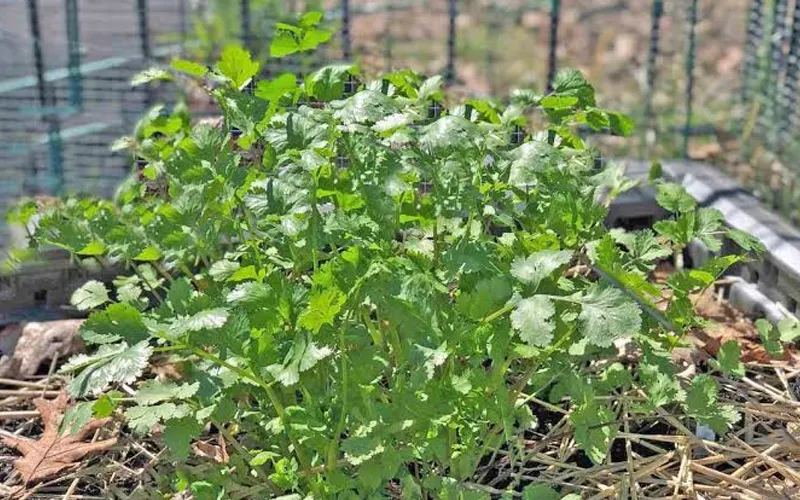
Cilantro is one of those herbs that can completely change the flavor of a meal with just a small handful. Its fresh green leaves are popular in tacos, curries, salsa, salads, chutneys, soups, and many other dishes. The good news is that you do not need a large garden or years of gardening experience to enjoy fresh cilantro at home. With the right temperature, soil, sunlight, watering routine, and planting method, even a beginner can grow a healthy supply.
The biggest difficulty is that cilantro prefers cooler weather and naturally has a limited growing period. It grows beautifully when the weather is mild, but hot conditions can make it flower quickly. This process, known as bolting, changes the plant’s focus from producing leaves to producing flowers and seeds. Once that happens, the leaves can become smaller and stronger in flavor, and the plant eventually completes its life cycle.
If you are wondering how to grow cilantro successfully, the most important idea is to work with the plant rather than against it. Cilantro has a sensitive taproot, so it generally performs better when seeds are planted directly where the plant will grow. It also appreciates well-draining soil, consistent moisture, good light, and cooler temperatures. Once you understand these basic needs, growing it becomes much easier.
Quick Cilantro Growing Facts
| Growing Factor | Recommended Condition |
| Plant Type | Cool-season annual herb |
| Common Name | Cilantro |
| Seed Name | Coriander |
| Best Growing Temperature | About 50°F–70°F (10°C–21°C) |
| Soil | Loose, fertile, well-draining soil |
| Sunlight | Around 4–6 hours of bright light |
| Container Depth | About 8 inches or deeper |
| Germination | Usually around 7–10 days |
| First Harvest | Often 3–6 weeks after planting |
| Main Problem | Bolting in hot weather |
| Best Propagation Method | Direct sowing from seed |
| Continuous Harvest Method | Succession planting |
How to Grow Cilantro From Seed
Growing cilantro from seed is the simplest and most dependable way to establish a fresh crop. The seeds are actually coriander fruits that contain two seeds inside a hard outer covering. You can sow them whole, but gently cracking the outer covering can sometimes help the seeds absorb moisture more easily.
Start with fresh, viable coriander seeds. If the seeds are very dry, you can gently press them between your fingers or lightly roll them with a smooth object to separate the outer husk. Be careful not to crush them into powder because damaged seeds may not germinate properly.
Some gardeners also soak the seeds in room-temperature water for roughly 12 to 24 hours before sowing. This is optional rather than essential, but soaking can soften the outer covering and help begin the germination process.
Prepare a container or garden bed with loose soil. Keep the soil evenly damp without allowing it to become waterlogged.Place the seeds roughly a quarter inch deep and cover them with a thin layer of soil. Maintain steady moisture in the soil throughout the germination period to support healthy seed growth.
In favorable conditions, the first seedlings can emerge in around a week, though cooler temperatures, seed quality, moisture levels, and other growing factors may slow the process. Once the young green shoots appear,provide plenty of bright light and avoid keeping the soil constantly saturated.
Choosing the Right Soil and Container
The type and condition of the soil can significantly affect how well your cilantro grows. Cilantro prefers soil that holds enough moisture to support growth but drains excess water quickly. Heavy, compacted soil can remain wet around the roots and create problems.
For containers, choose a pot with drainage holes and enough depth for the plant’s root system Choose a container that is at least 8 inches deep to give the roots enough room to develop. If you plan to grow multiple cilantro plants, a wider pot provides additional space for healthy growth.
A light potting mix containing organic matter works well. Compost can provide nutrients, while materials such as perlite or c The type and condition of the soil can significantly affect how well your cilantro grows.oconut coir can improve drainage and air movement. The goal is not to create a complicated soil recipe but to provide a growing medium that is fertile, loose, and well-draining.
This is one reason why growing cilantro in pots can be convenient for beginners. A container allows you to control the soil more easily, move the plant when temperatures change, and avoid some of the drainage problems found in poorly prepared garden beds.
How to Grow Cilantro in a Pot
If you only need a modest amount for everyday cooking, growing cilantro in a container is a simple and convenient option.Select a pot with drainage holes and fill it with a quality potting mix. Avoid filling the container all the way to the rim because leaving a little space makes watering easier.
Moisten the soil before sowing so that it is evenly damp . Scatter the seeds over the surface with enough space for seedlings to develop. Cover them lightly rather than burying them deeply. Cilantro seeds do not need to be planted far below the surface.
Place the container somewhere bright and relatively cool. If the weather is mild, an outdoor balcony, patio, or windowsill can work well. During very hot weather, move the container away from harsh afternoon sunlight.
As the seedlings grow, you can thin crowded areas by carefully removing weaker plants. However, if you prefer a dense harvest of young leaves, you can allow plants to grow somewhat closer together. The important thing is to maintain enough airflow and avoid creating a permanently wet environment.
How to Grow Cilantro Indoors
Growing cilantro indoors is a useful option when outdoor temperatures are too hot or when you simply want fresh herbs close to your kitchen. The biggest indoor challenges are usually insufficient light and excessive warmth.
Choose the brightest suitable window in your home. A location receiving several hours of strong natural light can work well. If natural light is weak, a suitable LED grow light can help maintain compact, healthy growth.
Indoor temperature matters too. Cilantro generally prefers cool conditions. If the room stays very warm, especially above the plant’s preferred range, the herb may bolt earlier than expected.
Water the plant when the upper layer of soil begins to dry rather than keeping the container permanently soaked. Good drainage is particularly important indoors because water evaporates more slowly than it may outdoors.
If you are growing cilantro inside throughout the year, succession planting is extremely useful. Instead of waiting for one plant to finish before planting another, start a new small container every few weeks. This creates overlapping crops and gives you a better chance of always having young plants available.
How to Grow Cilantro at Home Without a Garden
You do not need a backyard to enjoy fresh cilantro. A balcony, sunny windowsill, patio, or small container garden can be enough.
The most practical home setup is a medium-sized container filled with well-draining potting soil. Plant seeds directly into the container, keep the soil moderately moist, and provide good light.
One advantage of home growing is that you can respond quickly to changing conditions. If the afternoon becomes too hot, a container can be moved into partial shade. If heavy rain is expected, you can place it somewhere protected. This flexibility can be particularly valuable in warmer climates.
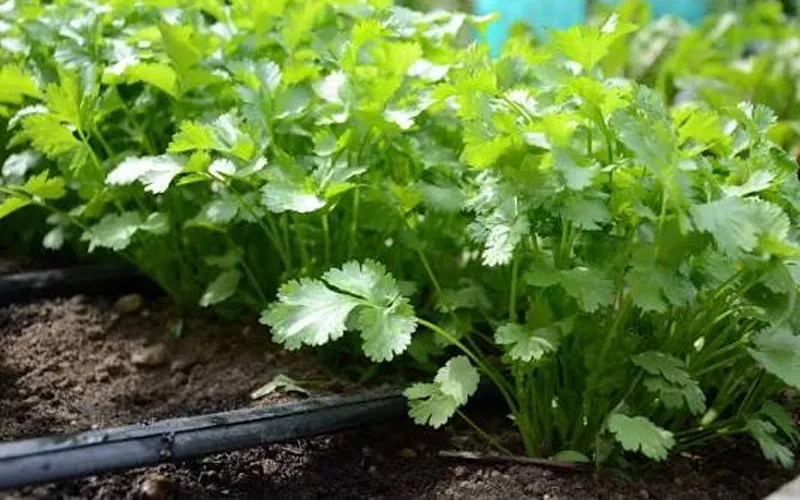
How to Grow Cilantro Outdoors
Outdoor cilantro generally performs best when planted during mild weather. Early spring and fall are often more suitable than the hottest part of summer, although the ideal timing depends on your local climate.
Choose a location with good drainage and several hours of sunlight. In warmer regions, morning sunlight combined with afternoon shade can help keep the plant cooler.
Prepare the soil with compost or another source of organic matter. Sow the seeds directly into the bed rather than relying on nursery transplants. Keep the soil evenly moist while the seeds germinate.
Once the plants are established, avoid excessive watering. Cilantro likes moisture but does not appreciate permanently soggy roots. Water deeply when necessary and allow excess water to drain away.
Outdoor plants may eventually produce tall flowering stems. Instead of viewing this as a failure, remember that flowering is a natural stage of the plant’s life. If you allow the flowers to develop seeds, you can collect coriander for cooking or save some seeds for another crop.
How to Grow Cilantro in Florida
Florida gardeners face a special challenge because cilantro prefers cooler conditions while Florida can remain hot and humid for long periods. For this reason, the cooler months are generally more suitable for growing the herb.
Fall and winter can provide a much better growing window than the hottest part of the year. In many areas, planting as temperatures begin to decline can give the crop enough time to establish and produce leaves before the next period of intense heat.
Container growing can be especially convenient because pots can be moved into a more protected location when necessary. Morning sun and afternoon shade can also help reduce heat stress.
During the hottest months, keeping cilantro alive may be difficult. Rather than expecting one crop to produce indefinitely, plant several smaller batches during the cooler season. This approach provides a more reliable supply.
Gardeners who want a cilantro-like herb during very hot conditions may also explore culantro, a different tropical herb that handles heat better than traditional cilantro.
How to Grow Cilantro in Texas
Texas gardeners also need to work around intense summer heat. In many parts of the state, fall, winter, and early spring offer better conditions for cilantro than the hottest summer months.
A fall planting can establish while temperatures are becoming milder, allowing the plants to provide leaves through cooler weather. Another crop can be started toward the end of winter or early spring before temperatures rise significantly.
In warmer parts of Texas, afternoon shade becomes increasingly useful as spring progresses. Planting near taller vegetables can sometimes provide natural shade during the hottest part of the day.
Because cilantro develops quickly, succession sowing is valuable. Starting a small new crop every few weeks during the suitable season can give you younger plants as older plants begin to flower.
How to Grow Cilantro From Cuttings
Growing cilantro from cuttings is possible, but it is generally less reliable than growing it from seed. This is important to understand before expecting a grocery-store bunch to turn into a large permanent plant.
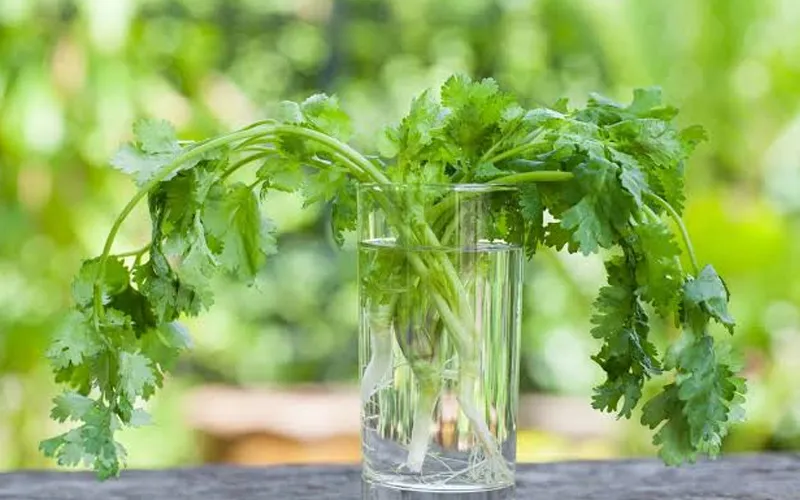
Choose healthy stems that are several inches long. Remove leaves from the lower section of the stem so that foliage does not sit underwater. Place the lower part of the stem in a clean container with a small amount of water.
Keep the upper leaves above the water line and place the container in bright, indirect light. Change the water regularly to reduce the chance of bacterial growth and stem rot.
If roots develop, the cutting can eventually be moved into potting soil. Handle the new roots gently because they are fragile.
The main limitation is that cilantro is naturally short-lived. A rooted cutting is already partway through the plant’s life cycle, so it may not provide the same long harvest as a plant grown from fresh seed.
How to Grow Cilantro in Water
Growing cilantro in water can refer to simple propagation or a more complete hydroponic growing system. These approaches are different.
A cutting placed in water can develop roots, but long-term growth requires nutrients. Plain water does not contain everything a plant needs to continue producing healthy foliage indefinitely.
For a more serious water-based setup, hydroponic growers use a nutrient solution and provide adequate oxygen to the roots. The system can be as simple as a small deep-water culture setup or as advanced as a larger hydroponic arrangement.
Temperature is important because cilantro prefers relatively cool growing conditions. Strong lighting is also necessary when growing indoors.
How to Grow Cilantro Hydroponically
Hydroponic cilantro can be grown successfully when the root environment, nutrients, light, and temperature are managed carefully. Unlike traditional soil growing, the plant receives nutrients through water rather than soil.
A beginner-friendly system can use a suitable growing plug, a small reservoir, and an appropriate hydroponic nutrient solution. Seeds should be started directly in the growing medium that will remain part of the hydroponic system, reducing unnecessary root disturbance.
Once the seedlings develop true leaves, a mild nutrient solution can be introduced according to the fertilizer manufacturer’s instructions. The exact nutrient strength should be adjusted for the plant’s age and the specific hydroponic system.
Good airflow and cool root temperatures are particularly helpful. If the growing area becomes too warm, cilantro may bolt even when its nutrient supply is excellent.
How to Grow Cilantro Microgreens
Cilantro can also be harvested at the microgreen stage. These young greens have a concentrated flavor and can be used in salads, sandwiches, tacos, soups, and other dishes.
A shallow tray filled with clean growing medium is suitable for this purpose. Spread the seeds evenly across the surface and cover them lightly. Cilantro seeds can take longer to germinate than some popular microgreen varieties, so patience is important.
Keeping the seeds moist during the early stage encourages even growth. Once seedlings emerge, provide strong light and good airflow. Bottom watering can help keep the foliage drier and reduce the risk of mold.
Cilantro microgreens are commonly harvested once they have developed their first true leaves or reached a desirable size. Use clean scissors or a sharp knife to cut the greens just above the growing medium.
Watering Cilantro Correctly
Watering is one of the easiest areas to get wrong. Newly planted seeds need consistent moisture because drying out during germination can interfere with sprouting. At the same time, saturated soil can cause root problems.
The best approach is to check the growing medium regularly. If the upper layer feels dry, water thoroughly enough to moisten the root zone, then allow excess water to drain away.
Avoid following a rigid schedule without checking the soil. A plant in a sunny outdoor pot may need water more frequently than one growing indoors in a cooler room.
Light and Temperature Requirements
Cilantro needs enough light to develop strong stems and healthy leaves. Outdoors, several hours of sunlight can work well, especially when the weather is cool. In hot regions, afternoon shade can protect the plant from excessive heat.
Indoor growers can use a bright window or supplemental grow lighting. If artificial lighting is used, keep the light close enough to provide useful intensity while following the manufacturer’s recommended distance.
Temperature is just as important as light. Mild conditions encourage leafy growth, while prolonged heat can push the plant toward flowering. If your cilantro repeatedly bolts too early, temperature may be one of the first factors to investigate.
Why Cilantro Bolts and How to Delay It
Bolting happens when cilantro switches from producing leaves to producing flowers and seeds. Heat is one of the biggest triggers, although plant age and environmental stress also play roles.
You cannot prevent bolting forever because it is part of the plant’s natural life cycle. However, you can delay it by growing during cooler weather, providing afternoon shade in warm climates, maintaining adequate moisture, and harvesting leaves regularly.
Succession planting is one of the smartest solutions. Rather than trying to make a single plant live indefinitely, start another crop before the previous one becomes old.
How to Harvest Fresh Cilantro
You can begin harvesting once the plants have developed enough healthy foliage. Instead of cutting everything at once, remove some of the outer stems and leave the younger center growth intact.
This method allows the plant to continue producing leaves for a while longer. Avoid removing a very large percentage of the foliage in one harvest because the plant needs leaves to capture light and continue growing.
Use clean scissors to make neat cuts. Harvesting in the morning can also be a convenient time because the leaves are often fresh and hydrated.
Frequently Asked Questions
1. What is the easiest way to grow cilantro?
The easiest way to learn how to grow cilantro is to plant the seeds directly in well-draining soil. Keep the soil lightly moist and provide plenty of light while protecting the plant from excessive heat.
2. Can cilantro be grown indoors?
Yes, cilantro can grow successfully indoors when placed in a container with drainage holes. Give it bright light, use a well-draining potting mix, and keep the soil evenly moist without making it soggy.
3. How long does cilantro take to grow from seed?
Cilantro seeds can germinate within several days to a couple of weeks under suitable conditions. Young plants can usually be harvested once they have developed enough healthy leaves.
4. Does cilantro need full sun?
Cilantro benefits from good sunlight, but it prefers cooler temperatures. In warmer regions, providing some afternoon shade can help reduce stress and delay bolting.
5. Can cilantro grow well in a pot?
Yes, cilantro is well suited to container gardening. Choose a pot with drainage holes, fill it with quality potting soil, and maintain consistent moisture for healthy growth.
6. Can cilantro grow from cuttings?
Cilantro can sometimes produce roots from healthy stems placed in water, but growing it from seeds is generally more reliable. Direct sowing also helps avoid unnecessary root disturbance.
7. Why does cilantro bolt so quickly?
High temperatures, long days, and plant maturity can encourage cilantro to bolt. Growing it during cooler weather and keeping the soil consistently moist can help extend the leafy harvest.
8. When should cilantro be harvested?
You can begin harvesting once the plant has developed several healthy leaves. Cut the outer stems as needed and avoid removing too much foliage at once so the plant can continue producing.
Final Thoughts
Learning how to grow cilantro is less about complicated gardening techniques and more about understanding what this herb naturally prefers. Give it loose, well-draining soil, adequate light, consistent moisture, and mild temperatures, and it can provide fresh leaves surprisingly quickly.
For most beginners, direct sowing from seed is the best place to start. Containers work particularly well because they make it easier to manage soil and temperature. Indoor growing can provide fresh leaves outside the normal outdoor season, while outdoor growing is especially rewarding when timed around cool weather.
Propagation from stems or cuttings can be an interesting experiment, and hydroponic systems offer another way to grow the herb, but seeds remain the most straightforward option for a dependable crop. If you want cilantro throughout the season, succession planting is the real secret. Start new seeds before the older plants finish, and you can maintain a steady rotation of young, flavorful plants.
With a little attention to temperature and timing, even a small space can become a reliable source of fresh cilantro for everyday cooking.
For more interesting stories and biographies, visit tend zore to explore more.