





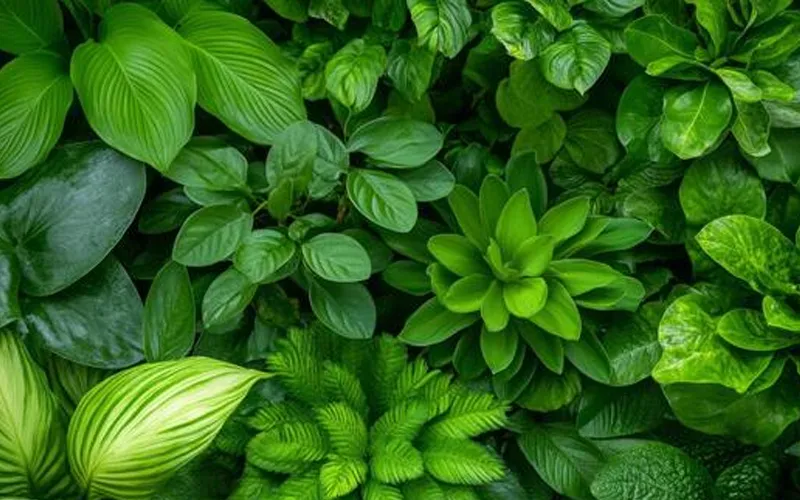
Plants bring a natural feeling into our homes, gardens, offices, and outdoor spaces. They can make an empty corner feel alive, add color to a simple room, and create a peaceful connection with nature. Although plants come in countless colors, shapes, and sizes, green foliage remains one of the most popular choices because it has a fresh, calming, and timeless appearance. From small tabletop plants to large indoor trees, there is something for almost every space and level of gardening experience.
The term green plant can describe many different types of plants rather than one particular species. Some are grown mainly for their beautiful leaves, while others provide flowers, vegetables, fruit, or even practical landscaping benefits. There are also plants with combinations of green and pink, purple, red, white, or yellow that make a collection even more interesting. Understanding these differences can help you choose a plant that fits your home, garden, lighting conditions, and care routine.
Quick Plant Facts
| Feature | Details |
| Common Category | Indoor plants, outdoor plants, vegetables, vines, shrubs, and trees |
| Main Attraction | Green foliage, colorful leaves, flowers, or useful crops |
| Popular Indoor Choices | ZZ Plant, Pothos, Philodendron, Fiddle Leaf Fig, Ivy, Peace Lily |
| Popular Color Combinations | Green and pink, green and purple, green and red, green and white |
| Basic Light Need | Depends on the species, from low light to full sun |
| Basic Water Need | Moderate, but different species have different requirements |
| Best Soil | Well-draining soil suitable for the particular plant |
| Beginner Friendly | ZZ Plant, Pothos, Cast Iron Plant, Snake Plant |
| Common Uses | Home décor, gardens, balconies, offices, landscaping, food production |
Popular Types of Green Plants
There is no single perfect variety for everyone. Some plants prefer bright windows, while others are comfortable in lower-light rooms. Some need frequent watering, whereas others prefer their soil to dry between waterings. Choosing the right variety is therefore more important than simply choosing the plant that looks attractive at the garden center.
ZZ Plant
The ZZ Plant, scientifically known as Zamioculcas zamiifolia, is one of the easiest choices for beginners. Its thick stems and glossy green leaflets give it a polished appearance, while its underground rhizomes help it store water. Because of this natural storage system, the plant can tolerate periods of dryness better than many tropical houseplants.
It can grow in low to medium indoor light and does not need constant attention. However, it should not be treated as completely indestructible. Excessive watering can still damage its roots, so allowing the soil to dry between waterings is important.
Pothos
Pothos is another excellent choice for people who want a plant that grows quickly and adapts to different indoor conditions. Its heart-shaped leaves develop along long trailing stems, making it attractive in hanging baskets or on high shelves.
Several forms are available, including solid green varieties and types with yellow, cream, or white markings. The plant can tolerate moderate low light, although brighter indirect light usually encourages stronger and fuller growth.
Heartleaf Philodendron
Heartleaf Philodendron is known for its attractive heart-shaped leaves and graceful trailing habit. It can be trained upward on a support or allowed to cascade naturally from a shelf or hanging container.
Its simple appearance makes it particularly suitable for homes where the goal is to add natural texture without overwhelming the existing décor. Like pothos, it prefers bright indirect light but can tolerate lower-light conditions.
Fiddle Leaf Fig
For people who want a dramatic statement plant, the Fiddle Leaf Fig, or Ficus lyrata, is a popular option. Its large violin-shaped leaves can make a room feel more sophisticated and tropical.
However, this variety generally requires more consistency than a ZZ Plant or pothos. It performs best with strong indirect light, stable conditions, and careful watering. Sudden environmental changes can sometimes lead to leaf drop, so finding a suitable location and keeping the plant there is helpful.
Pink and Green Plant Varieties
A pink and green plant can add much more visual excitement than a completely green variety. The pink coloration commonly appears through variegation or pigmentation, producing patterns that range from tiny spots to broad sections of pink across the leaves.
The Philodendron Pink Princess is one of the most recognizable examples. Its dark green leaves can develop attractive pink patches and streaks. Because the amount of variegation can vary from leaf to leaf, every plant may have a slightly different appearance.
Aglaonema varieties such as Pink Dalmatian and other colorful cultivars are also popular. They are particularly useful for indoor spaces because many Chinese Evergreen varieties are relatively adaptable. Fittonia, commonly called the nerve plant, offers another option, with delicate green leaves decorated by colorful veins.
Purple and Green Plants for Dramatic Color
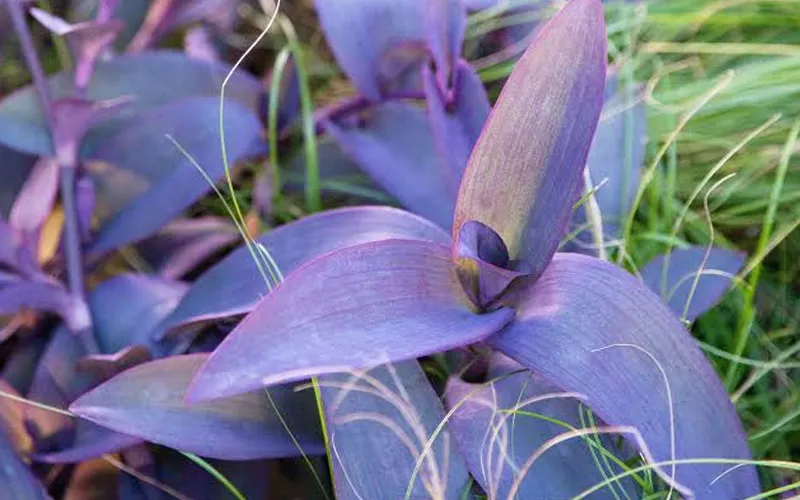
Purple and green plants are excellent choices when you want something more dramatic. Purple foliage can range from soft lavender to deep plum, while green provides a natural contrast that prevents the overall appearance from becoming too dark.
Tradescantia zebrina is a well-known example. Its foliage often combines green and silvery stripes with purple tones underneath the leaves. It grows as a trailing plant and can quickly become a beautiful hanging display when given sufficient light.
Persian Shield is another striking choice. Its foliage has a metallic purple appearance that can look almost reflective under the right lighting. Coleus also provides countless combinations of green, purple, red, pink, and other shades.
Oxalis triangularis, commonly known as Purple Shamrock, offers triangular purple leaves that open and close in response to the daily light cycle. Its unusual shape makes it particularly attractive for desks, shelves, and small indoor collections.
Understanding the Collard Green Plant
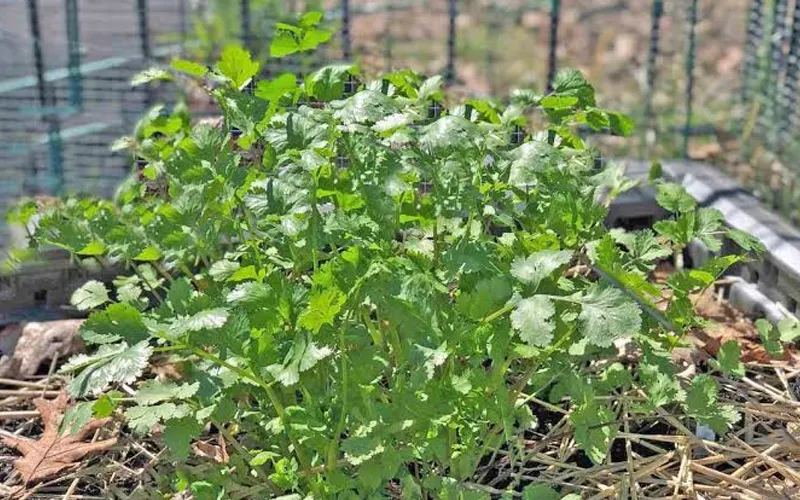
The collard green plant is very different from decorative houseplants. It is an edible leafy vegetable belonging to the cabbage family. Its large, dark green leaves are widely used in cooking and can be harvested over an extended period when the plant is grown under suitable conditions.
Collards generally prefer cool growing seasons and fertile, well-draining soil. They can tolerate some cold weather, and light frost may actually improve their flavor. A sunny location is usually ideal, although some afternoon shade can be useful in warmer climates.
Instead of harvesting the entire plant at once, gardeners can remove mature outer leaves while allowing the central growing point to continue producing fresh foliage. This makes collards a productive choice for home vegetable gardens.
What Does Green Plant Coffee Ltd Mean?
The phrase green plant coffee ltd leadership linkedin is a little different from the other searches because it refers to a company rather than a botanical species. Green Plant Coffee Ltd is a UK-registered company, and people searching for its leadership or LinkedIn information should be careful not to confuse it with similarly named coffee or plant businesses.
Company names can appear very similar online, particularly when words such as Green, Coffee, Plant, and Greenplant are involved. As a result, a search for a LinkedIn profile or company page should always be checked against the exact business name and official company information.
This distinction is important because someone searching for a gardening topic may see business-related results, while someone researching the company may encounter unrelated gardening pages. Keeping the two meanings separate makes the search much easier.
Emerald Green Foliage
Emerald green plant varieties are loved for their rich, saturated foliage. Their deep green leaves can create an elegant appearance without requiring the bright colors found in variegated plants.
The ZZ Plant is a good example of glossy emerald-toned foliage. Philodendron varieties can also produce beautiful deep green leaves, particularly when they receive suitable indirect light and consistent care. Emerald Pothos provides a trailing option for shelves, hanging baskets, and indoor plant displays.
Outdoor gardeners may also encounter the Emerald Green Arborvitae, a popular evergreen used for privacy screens and landscaping. Unlike small indoor varieties, this plant is grown outdoors and can develop into a narrow, dense evergreen form.
Red and Green Plants
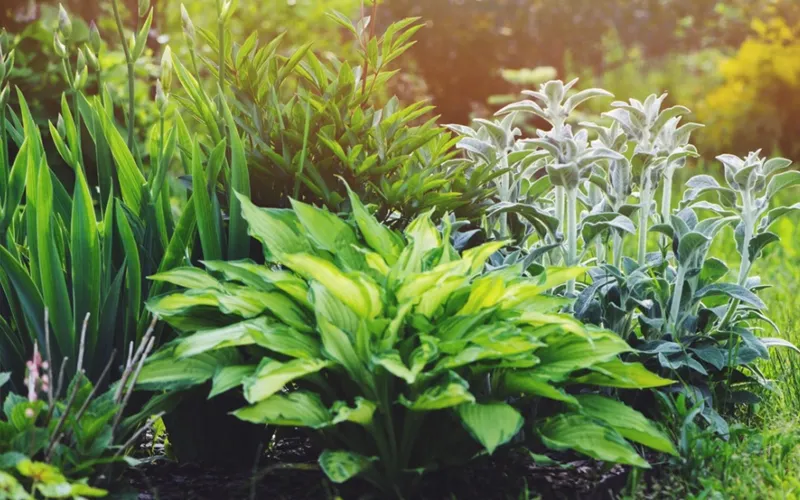
Red and green plants provide a stronger contrast and can create a festive or tropical appearance. Red tones may appear around leaf margins, along veins, across the center of foliage, or on the undersides of leaves.
Aglaonema cultivars such as Siam Aurora are popular because their green leaves can have attractive red or pink margins. Croton offers even more color, combining green foliage with red, orange, yellow, and other shades.
Caladium is another colorful option. Its large, heart-shaped leaves can feature combinations of green, red, pink, and white. These plants are particularly useful when a garden or indoor collection needs a noticeable splash of color.
Popular Green Plant Names to Know
People searching for green plant names may be looking for either actual species names or simple names for their houseplants. Some of the most familiar botanical names include pothos, philodendron, ZZ Plant, snake plant, peace lily, English ivy, fiddle leaf fig, money tree, and cast iron plant.
Choosing a plant name for a personal collection can be more creative. Some owners choose names based on the plant’s appearance, while others select names connected to personality, size, or growth style. A trailing vine might receive a playful name, while a large upright plant may receive a more formal one.
Green Plant Background Ideas
A green plant background can also refer to digital artwork or photography rather than a living plant. Leafy backgrounds are widely used for phone wallpapers, desktop screens, social media designs, websites, and video meetings.
A close-up image of tropical leaves creates a rich and immersive effect, while a simple white wall with a single potted plant produces a cleaner appearance. Monstera leaves, palm fronds, vines, and fern foliage are particularly popular because their shapes remain recognizable even when used as a background.
For professional use, a simple plant-filled room usually works better than an extremely busy jungle image. The background should complement the main subject rather than compete for attention.
Green Plant Pokémon
The phrase green plant Pokémon usually points toward Pokémon associated with Grass-type themes or characters inspired by plants. The Pokémon universe contains many creatures based on flowers, leaves, trees, seeds, vines, and other elements of nature.
Bulbasaur is one of the most recognizable examples because it carries a plant bulb on its back. As its evolution progresses through Ivysaur and Venusaur, the plant becomes larger and eventually develops into a prominent flower.
Other examples include Sprigatito, Snivy, Oddish, Bellsprout, Sunkern, and Turtwig. These designs show how plant-inspired concepts can be combined with animals, fantasy creatures, and imaginary botanical forms.
Tall Green Plants for Indoor Spaces
A tall green plant can completely change the appearance of an empty room. Instead of leaving a bare corner unused, a large plant can add height, texture, and a natural focal point.
The Fiddle Leaf Fig is one of the best-known choices for this purpose. Money Trees, Kentia Palms, Areca Palms, Bird of Paradise, and certain Dracaena varieties can also create a strong vertical effect.
Before choosing a large plant, consider the ceiling height, available floor space, window position, and eventual mature size. A plant that looks perfect when purchased may become difficult to manage if its mature dimensions are ignored.
Mustard Green Plant for Home Gardens
The mustard green plant is another edible leafy vegetable rather than an ornamental houseplant. Mustard greens are known for their peppery flavor and are used in many cuisines around the world.
They generally grow quickly and prefer cooler weather. Depending on the variety, the leaves may be smooth, frilled, green, reddish, or purple-tinted. Young leaves can be harvested for compensate for poor light, overwatering, or unsuitable soil.
Consistent moisture is important, but the soil should drain well. If plants experience excessive heat or drought stress, they may become more bitter or bolt earlier than desired. Growing them during a suitable season can therefore make a noticeable difference in both quality and productivity.
How to Help a Leafy Plant Thrive
The phrase thrive leafy green plant can have two meanings. It may refer to a product such as artificial reptile habitat décor sold under the Thrive name, or it may simply describe the goal of helping a living leafy plant grow well.
For real plants, the foundation of healthy growth is appropriate light, water, soil, temperature, and nutrition. Watering should be based on the needs of the species rather than following an identical schedule for every plant. A plant sitting in constantly wet soil may develop root problems, while one that is repeatedly allowed to become extremely dry may suffer stress.
Leaf cleaning can also improve the appearance of broad-leaved indoor plants. Dust can accumulate on foliage over time, making leaves look dull. Gently wiping suitable leaves with a clean, damp cloth can keep them looking fresh.
Fertilizer should also be used thoughtfully. Plants require nutrients for healthy growth, but more fertilizer does not automatically mean faster or better growth. Following the product directions and feeding during active growth is generally safer than applying excessive amounts.
Florida Green Plant
The term Florida green plant most commonly brings to mind Philodendron Florida Green, a climbing tropical plant valued for its distinctive deeply lobed foliage. Its leaves have an unusual shape that separates it from more familiar heart-leaf philodendrons.
As the plant matures, it benefits from vertical support such as a moss pole or trellis. Providing support allows the climbing stems to grow upward and can encourage larger foliage over time.
Bright indirect light is generally useful for strong growth, while harsh direct sunlight can damage the leaves. Like many aroids, it prefers an airy growing medium that drains efficiently rather than heavy soil that stays wet for long periods.
Plants With Purple Flowers and Green Leaves
A green plant with purple flowers can create a beautiful combination for balconies, gardens, patios, and some indoor spaces. Purple flowers stand out naturally against green foliage, creating a balanced contrast without looking overly bright.
Lavender is one of the most recognizable examples, combining gray-green foliage with fragrant purple flower spikes. Salvia, bellflowers, orchids, and several ornamental perennials can also create this effect.
For indoor conditions, some African Violet varieties provide compact green foliage with purple flowers. Their small size makes them suitable for windowsills and tables where larger flowering plants would not fit.
Ivy Green Plants
Ivy green plants are known for their trailing and climbing growth habits. English Ivy, or Hedera helix, is the classic example, with lobed leaves that can create a traditional garden appearance.
Ivy can be trained across supports or allowed to cascade from containers. Indoors, it generally performs best in bright indirect light with good air circulation. Excessive moisture and poor ventilation can create problems, while very dry indoor conditions may encourage pests such as spider mites.
For people who like the appearance of ivy but want alternatives, grape ivy and Swedish ivy can provide a similar cascading effect even though they are not true ivy species.
Green Plants With White Flowers
Green plants with white flowers offer a softer and more elegant appearance. The contrast between green foliage and white petals works particularly well in minimalist interiors and peaceful garden designs.
Peace Lily is one of the most popular indoor examples. Its dark green foliage contrasts beautifully with its white flower-like spathes. Moth Orchids can also produce long-lasting white blooms above their green leaves.
For outdoor spaces, gardenia is an especially attractive choice. It combines glossy evergreen foliage with fragrant white flowers. Star Jasmine provides another option for gardeners who want a climbing plant covered with small, star-shaped white flowers.
How to Care for Your Plant Successfully
The best care routine begins with identifying the actual species. Two plants may look similar but have completely different watering, lighting, and temperature requirements. Instead of assuming that every leafy plant needs the same treatment, learn the natural environment of the specific variety.
Light is usually the first factor to consider. Plants that need bright indirect light should be positioned near suitable windows while protected from harsh direct rays. Low-light plants can be placed farther from windows, although low light does not mean complete darkness.
Watering should be based on soil moisture and plant requirements. Allowing the appropriate amount of soil to dry before watering can help reduce the risk of root problems. Pots should always have adequate drainage so excess water can escape.
Soil is equally important. Tropical aroids often appreciate airy mixes containing materials that improve drainage and oxygen around the roots, while vegetables may prefer fertile garden soil with good moisture retention. Matching the growing medium to the plant can make a major difference.
Temperature and humidity should also be considered. Many tropical houseplants prefer warm indoor conditions and appreciate moderate to high humidity. However, humidity alone cannot compensate for poor light, overwatering, or unsuitable soil.
Common Problems to Watch For
Even easy-care plants can develop problems when their basic needs are ignored. Yellow leaves may be associated with several factors, including overwatering, aging foliage, poor drainage, or environmental stress. Brown leaf tips can also have multiple causes, such as dry air, inconsistent watering, salt buildup, or excessive fertilizer.
Pests are another common issue. Spider mites, mealybugs, scale insects, and aphids can affect different indoor and outdoor varieties. Regularly checking the leaves and stems makes it easier to notice an infestation before it becomes severe.
Another common mistake is moving a plant too frequently. A plant may need some time to adjust after being moved to a new location. If its light, temperature, and watering conditions keep changing, it can become stressed.
Frequently Asked Questions
1. What is a green plant?
A green plant is a broad term for plants that mainly feature green foliage. The category includes houseplants, vegetables, vines, shrubs, trees, and many flowering species.
2. Which plants are best for beginners?
ZZ Plant, pothos, snake plant, and cast iron plant are excellent choices for beginners. They are generally adaptable and can handle occasional care mistakes better than more sensitive varieties.
3. How often should I water these plants?
Watering depends on the species, soil, pot size, temperature, and light. Check the soil before watering and avoid leaving the roots in constantly wet conditions.
4. What is a popular pink and green plant?
Philodendron Pink Princess, Aglaonema Pink Dalmatian, Syngonium, and Stromanthe Triostar are popular options. Their colorful leaves can add an attractive accent to indoor spaces.
5. Which leafy plants can tolerate low light?
ZZ Plants, pothos, and some Chinese Evergreen varieties can tolerate lower-light conditions. However, they still need some suitable light to maintain healthy growth.
6. What are some good tall green plants for indoors?
Fiddle Leaf Fig, Kentia Palm, Areca Palm, Money Tree, Bird of Paradise, and Dracaena are popular choices. They can add height and create a natural focal point in larger rooms.
7. Can these plants have colorful flowers?
Yes. Many varieties combine green foliage with colorful blooms. African Violets, orchids, lavender, salvia, and peace lilies are good examples of plants with attractive flowers.
8. How can I keep a green plant healthy?
Give it the correct light, water according to its needs, use suitable well-draining soil, and maintain an appropriate temperature. Regularly checking leaves and stems can also help identify pests or stress early.
Final Thoughts
Plants are much more diverse than the simple phrase “green foliage” suggests. Some provide calm, solid-colored leaves, while others combine green with pink, purple, red, or white. Others are grown for food, flowers, landscaping, or even fictional inspiration in entertainment.
Whether you are interested in an easy indoor plant, a colorful variegated variety, a vegetable garden, or a tall statement piece, the best choice depends on your available space and growing conditions. Beginners can start with forgiving varieties such as ZZ Plants, pothos, cast iron plants, or other adaptable species, while experienced plant lovers may enjoy more demanding colorful or tropical varieties.
The key to successful growing is not simply choosing an attractive plant. It is understanding what that particular plant needs and then creating a suitable environment. With appropriate light, sensible watering, good drainage, suitable soil, and regular observation, a healthy collection can remain attractive for years. The wide range of shapes, colors, and growth habits also means there is always another variety to discover, whether you prefer classic foliage or something much more unusual.
For more interesting stories and biographies, visit tend zore to explore more.